Introduction
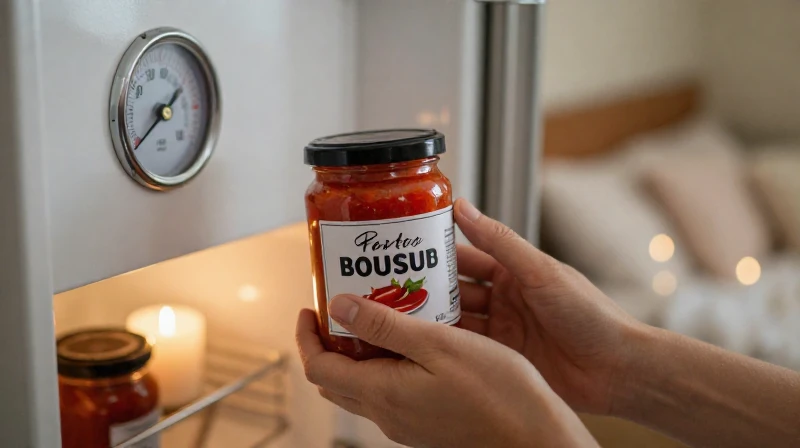
If you are looking at a jar of pasta sauce in the back of your refrigerator and wondering whether it is still safe to eat, the general rule of thumb is to keep it within a five-to-seven-day window after opening [3]. While it can be tempting to keep a well-loved jar of marinara for weeks, food safety experts and commercial standards generally advise discarding it once you pass that seven-day mark to minimize the risk of foodborne illness [1, 2].
It is completely normal to feel a bit of anxiety about food safety; we all want to enjoy a meal without worrying about whether the ingredients are still good. The goal here is to help you understand the “why” behind these guidelines so you can make informed choices about what stays on your table and what gets tossed.
The Science of Spoilage: Why Pasta Sauce Has a Deadline
To understand why pasta sauce has a relatively short shelf life in the refrigerator, it helps to look at the chemistry of the ingredients. Unlike some preserved goods, jarred pasta sauce has a high “water activity” level. This means there is a significant amount of moisture available for bacteria and mold to inhabit [2].
While many people assume that “jarred” automatically means “preserved,” the preservation happens primarily during the canning process. Once the seal is broken and the sauce is exposed to oxygen and the ambient bacteria in your refrigerator, the clock starts ticking.
Comparison of Common Pantry Sauces
To put this into perspective, it helps to compare pasta sauce to other common condiments like ketchup. Ketchup often lasts much longer in the refrigerator because it contains higher concentrations of sugar and vinegar [2]. These ingredients act as natural preservatives by lowering the pH and reducing the moisture available to microbes. Pasta sauce, which is less acidic and more moisture-heavy than ketchup, does not have that same level of protection once opened.
| Sauce Type | Typical Fridge Life (Opened) | Key Preservation Factors |
|---|---|---|
| Pasta Sauce | 5–7 Days | High moisture, moderate acidity; spoils faster than ketchup. |
| Ketchup | 2+ Weeks | High sugar and vinegar content; lower water activity. |
| Meat-Based Sauce | 3–5 Days | High protein content; significantly faster spoilage rate. |
Identifying Spoilage: Visual and Olfactory Cues
Because every refrigerator temperature and every jar of sauce varies slightly, your best tools for safety are your senses. If you are unsure if a sauce is still good, look for the following indicators:
- Visual Indicators: Watch for any signs of mold, which can appear as fuzzy, slimy, or darkened patches on the surface [3]. If you notice any discoloration—such as the sauce turning a greyish or brownish hue—or if the texture becomes clumpy or分離 (separated) in an unusual way, it is best to discard it [3].
- Olfactory Cues: Your nose is often your best defense. If the sauce has a sour, rotten, or "off" smell, it indicates that bacteria have begun to break down the organic matter [1, 3]. Even if the smell is faint, if it differs from the fresh aroma of the sauce, it’s a sign of spoilage.
Nuances in Sauce Types: Meat vs. Veggie
Not all pasta sauces are created equal when it comes to safety. A general rule of thumb is to be more conservative with meat-based varieties. Because meat contains high levels of protein and fat, it provides a much richer environment for rapid bacterial growth than a simple tomato and vegetable base [1].
If you are cooking with a sauce that contains ground beef, sausage, or meatballs, aim for the shorter end of the safety window (around 3 to 5 days) to be safe. Veggie-based sauces, while still subject to the 7-day rule, may stay fresh slightly longer due to the lower protein content.
Practical Tips for Extending Freshness and Safety
There are several small habits you can adopt to ensure your sauce stays safe for as long as possible and to make your kitchen routine more organized.
The "No-Saliva" Rule
One of the most common ways sauce spoils prematurely is through cross-contamination. Avoid eating directly out of the storage container. Saliva contains enzymes and bacteria that can break down the food and introduce new microbes into the jar, accelerating the spoilage process [1]. Always scoop a portion into a separate bowl.The Olive Oil Seal
To combat oxidation (the reaction between the sauce and the air), you can apply a very thin layer of olive oil over the surface of the sauce before sealing the lid [1]. This creates a minor barrier that can help prevent mold growth and keep the sauce from developing an "off" taste as quickly.Tracking Freshness
It is easy to forget when a jar was first opened. A simple, practical habit is to use a permanent marker to write the date of opening on the lid [1]. This removes the guesswork and ensures you aren't accidentally serving something that has been sitting in the fridge for too long.Long-Term Storage: How to Freeze Pasta Sauce
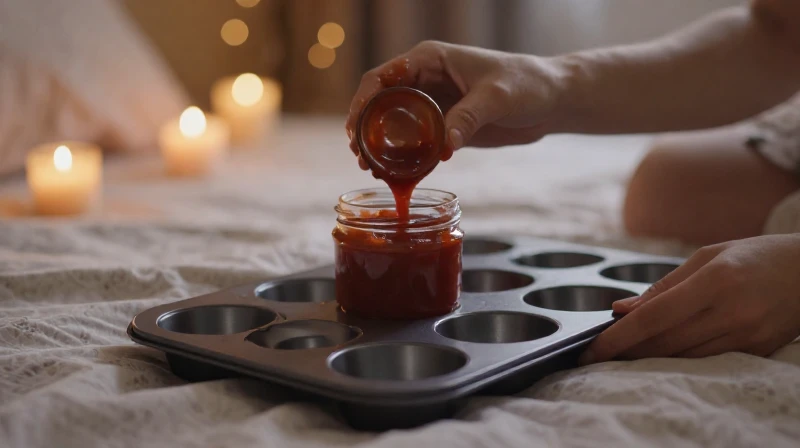
If you know you won’t finish a jar of sauce within a week, the freezer is your best friend. Properly frozen pasta sauce can last up to six months before freezer burn begins to affect the quality [3].
To make your frozen sauce as usable as possible, consider these preparation methods:
- Ziploc Bag Method: Flatten the sauce into freezer-safe Ziploc bags. This makes it easy to break off individual chunks for a quick meal [1].
- Portion Control: Use ice cube trays or muffin tins to freeze small amounts of sauce into individual "cubes" or "muffin-sized" portions [1, 2]. Once frozen, you can pop them out and store them in a bag, allowing you to defrost exactly what you need for a single meal.
Frequently Asked Questions
Can I eat 2-week-old pasta sauce? While some home cooks report keeping jars for longer as long as no mold is visible, it is not recommended. The risk of bacterial growth that you cannot see or smell increases significantly after the 7-day mark [1, 3]. For your safety, it is best to discard it.Can I use tomato sauce after 7 days? If the sauce is slightly past the 7-day window but still looks and smells perfectly acceptable, you can attempt to heat it to a bubbling point before using it. High heat can help kill potential bacteria, but this should be done with caution and only if the sauce shows no signs of spoilage [1].
How long can I keep an opened jar of Rao’s marinara sauce? While specific brands may vary slightly based on acidity, Rao’s and similar high-quality marinaras generally follow the standard 5-to-7-day refrigerated shelf life once opened.
How long can homemade pasta sauce last in the fridge? Homemade sauce lacks the commercial preservatives found in some store-bought brands. Because of this, you should be extra conservative with the timeline, aiming for a 3-to-5-day window, especially if the sauce contains meat.
Summary
To keep your pasta sauce safe and delicious, aim to consume it within five to seven days of opening [3]. Be especially vigilant with meat-based sauces, which have a shorter safety window. Use your senses—looking for mold and smelling for sour notes—as your primary guides for spoilage. To keep your sauce fresh longer, avoid eating from the jar, consider a light coating of olive oil, and move any leftovers to the freezer, where they can stay good for up to six months [1, 3].
This information is for educational purposes and does not constitute medical or food safety certification. If you suspect foodborne illness, consult a healthcare professional.
Sources
- How long does an opened jar of marinara sauce actually last in the fridge? : r/AskWomenOver30 — reddit.com
- Lansing Chowhounds | I've never worked a job that required handling food | Facebook — facebook.com
- Here's How Long Opened Jarred Tomato Sauce Really Lasts in the Fridge — allrecipes.com
Frequently Asked Questions
Can I eat 2 week old pasta sauce?
It is not recommended to eat 2-week-old pasta sauce because the risk of undetectable bacterial growth increases significantly after the 7-day mark. For your safety, it is best to discard it even if no mold is visible.
Can I use tomato sauce after 7 days?
If the sauce looks and smells perfectly acceptable, you can attempt to heat it to a bubbling point to help kill potential bacteria. This should be done with caution and only if the sauce shows no signs of spoilage.
How long can I keep an opened jar of Rao's marinara sauce?
Rao's and similar high-quality marinaras generally follow a standard refrigerated shelf life of 5 to 7 days once opened. However, specific brands may vary slightly based on their acidity.
How long can homemade pasta sauce last in the fridge?
Because homemade sauce lacks commercial preservatives, you should be extra conservative and aim for a 3-to-5-day window. This timeline is especially important if the sauce contains meat.
Related Articles