Introduction
If you have noticed a bruise-like mark, swelling, or tenderness on your nipple or breast after sexual activity, you are likely dealing with a nipple hickey. A nipple hickey is a localized area of bruising caused by excessive suction or biting, which ruptures tiny blood vessels (capillaries) just beneath the surface of the skin [2, 3].
Most of the time, these marks are temporary and harmless, similar to a hickey on the neck or arm. They typically heal on their own within a few days as the body reabsorbs the blood from the damaged vessels [3]. However, because the skin on the nipple and areola is highly sensitive and structurally different from other parts of the body, it is important to understand how to manage the discomfort and when a mark might indicate a need for more than just home care.
Understanding the Mechanism: How a Nipple Hickey Happens
To understand how a nipple hickey forms, it helps to look at the anatomy of the breast. The skin of the nipple and areola is rich in nerve endings and small blood vessels, making it highly responsive to both pleasure and physical trauma.
When intense suction is applied or when the nipple is bitten firmly, the pressure exceeds the capacity of the capillaries to hold blood. This causes the vessels to leak, leading to the characteristic discoloration we see as a hickey. In a sexual context, this can happen during foreplay or during more intense activities. The goal, from both a safety and a pleasure perspective, is to ensure that the tissue is not being damaged beyond the point of simple bruising. A helpful rule of thumb to follow is that the nipple should “come out of the mouth the same shape as it went in” [1, 2].
When suction is too aggressive, it doesn’t just cause a bruise; it can lead to more significant tissue degradation, such as blistering, cracking, or more persistent swelling [1, 2].
Recognizing Symptoms: What Is Normal?
It is common to feel some level of discomfort after receiving a nipple hickey. Because the area is so sensitive, even minor bruising can feel quite noticeable.
Typical Symptoms
- Discoloration: The mark will often appear dark red or purple initially [2].
- Color Changes: As the body heals, the color of the mark may shift over time, such as transitioning from a dark blue to a greenish hue [3].
- Tenderness: It is normal to feel soreness, a "bruised" sensation, or slight sensitivity when the area is touched [3].
- Swelling and Throbbing: You may notice minor swelling or a sensation of tightness and throbbing in the affected area [2].
When it is Not Normal
While the symptoms above are standard responses to physical trauma, certain signs indicate that the tissue may have been damaged more severely:- Blistering: The formation of fluid-filled blisters suggests that the skin barrier was broken.
- Cracking: Deep cracks or fissures in the skin can lead to pain and increase the risk of infection.
- Persistent Pain: While a dull ache is normal, sharp or escalating pain that does not improve with rest and home care is a concern.
- Infection Signs: If the area begins to produce pus, feels hot to the touch, or is accompanied by a fever, it may be infected.
Immediate Care and Healing Steps
If you have a nipple hickey and want to manage the symptoms and promote faster healing, you can take several proactive steps at home. The primary goal is to reduce inflammation and keep the skin hydrated.
Step-by-Step Recovery
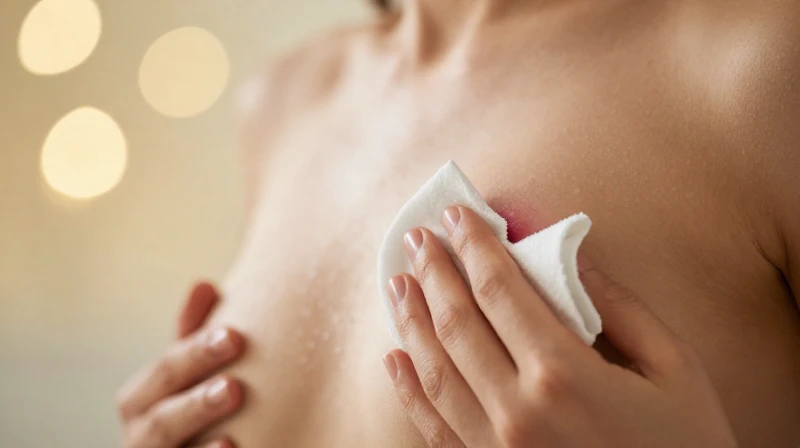
- Apply a Cold Compress: In the first 24 to 48 hours, use a cool, damp cloth or a cold pack wrapped in a thin towel. Apply this to the area for 10–15 minutes at a time. This helps constrict the blood vessels, reduce swelling, and numbing the initial throbbing [1, 2].
- Maintain Moisture with Lanolin: Once the initial swelling has subsided, apply a thin layer of lanolin cream. Lanolin is highly effective at creating a protective barrier on the skin, keeping it hydrated and preventing further irritation or cracking [1, 2].
- Avoid Irritation: For a few days, try to wear loose-fitting clothing. Friction from tight bras or synthetic fabrics can irritate the bruised tissue and delay healing.
- Monitor the Healing Process: Most hickeys will begin to fade within 48 hours and should be significantly improved within a week [3].
Safety, Sensitivity, and Long-Term Concerns
Many people worry that a nipple hickey might cause permanent damage or impact their physical health in the long run. Here is what the evidence and anecdotal reports suggest.
Will it cause a permanent loss of sensitivity?
There is currently little evidence to suggest that a hickey causes a permanent loss of nipple sensitivity. While the area may be hypersensitive or sore immediately following the injury, anecdotal reports indicate that once the bruising heals and the skin returns to its normal state, sensitivity typically returns to baseline [1].Can it impact future breastfeeding?
For those who are currently breastfeeding or planning to in the future, concerns about "nipple damage" are common. However, a standard hickey is generally not enough to prevent breastfeeding. Breastfeeding challenges usually arise from significant tissue damage or extreme, chronic sensitivity. People who have undergone other forms of nipple trauma—such as piercings—can often still breastfeed successfully once the area is fully healed [1].Is there a risk of cancer?
It is important to dispel some common myths. There is no clinical evidence to suggest that a hickey on the breast or under the nipple is associated with an increased risk of cancer [3].Nipple Hickeys in a Breastfeeding Context
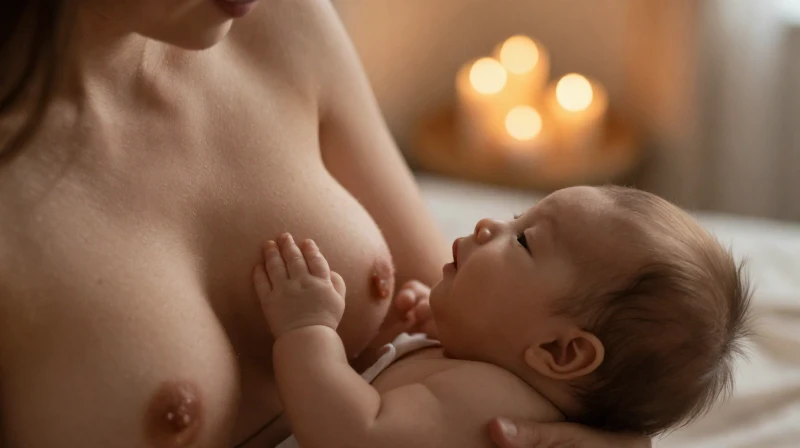
Nipple hickeys can also occur during breastfeeding, often due to improper latching or excessive suction from the baby. If these are not managed, they can cause significant pain and lead to skin cracking [2].
Prevention and Management for Nursing Parents
- Ensure a Wide Latch: Make sure the baby’s mouth covers most of the areola, not just the nipple. This distributes the pressure more evenly across the breast tissue.
- Adjust Positioning: If you hear a "clicking" sound during nursing, it is often a sign of an improper latch. Try adjusting the baby’s position to help them get a deeper, more secure hold.
- Take Breaks: If the baby begins to suck aggressively, it is okay to take a break. This prevents the baby from creating excessive suction and allows the nipple tissue to recover.
Comparison: Home Care vs. Medical Intervention
Understanding the difference between a standard hickey and a medical concern can help you decide when to rest and when to call a professional.
| Symptom | Typical Nipple Hickey (Home Care) | Potential Complication (See a Doctor) |
|---|---|---|
| Pain Level | Dull ache, mild tenderness, or throbbing. | Sharp, intense, or escalating pain that prevents movement/rest. |
| Appearance | Dark red, purple, or greenish bruising. | Pus, significant bleeding, or deep cracks that won't close. |
| Swelling | Minor, localized swelling. | Rapidly increasing swelling or a fever. |
| Healing Time | Fades significantly within 3–7 days. | Shows no improvement or gets worse after 48 hours. |
When to See a Healthcare Provider
While most nipple hickeys are a minor nuisance, you should consult a healthcare provider if you notice any of the following “red flag” symptoms [2]:
- Signs of Infection: The area feels hot to the touch, shows redness spreading away from the mark, or produces pus.
- Systemic Symptoms: You develop a fever or chills along with the breast pain.
- Persistent Bleeding: The area continues to bleed or oozes fluid.
- Non-Healing Cracks: Deep cracks appear in the skin and do not improve with the use of lanolin or other moisturizers.
Synthesis and Key Takeaways
A nipple hickey is a common physical response to suction and biting, characterized by bruising and temporary sensitivity. In most cases, it is a harmless mark that will resolve on its own within a few days. To manage it, focus on reducing inflammation with cold compresses and maintaining skin health with lanolin.
The key takeaway is to monitor the intensity of the activity; if you experience pain that feels like “more than just a bruise”—such as blistering or deep cracking—it is a sign to dial back the intensity. If you notice signs of infection or persistent, severe pain, seek professional medical advice to ensure the tissue heals correctly.
This article provides medical education and is not a substitute for professional medical advice, diagnosis, or treatment.
Sources
- Are hickeys on breasts/nipples safe? : r/TwoXSex — reddit.com
- Hickey on Nipple Breastfeeding: Causes, Prevention, and Care Tips — mommed.com
- my boyfriend gaved me a hickey on my nipple and they are sensitive is it bad??? | HealthTap — healthtap.com
Frequently Asked Questions
What to do if you have a hickey on your nipple?
To manage a nipple hickey, apply a cold compress for 10–15 minutes during the first 48 hours to reduce swelling and throbbing. Once swelling subsides, apply lanolin cream to keep the skin hydrated and wear loose-fitting clothing to avoid irritation.
What does a hickey on the breast mean?
A hickey on the breast is a localized area of bruising caused by excessive suction or biting. This occurs when pressure ruptures tiny blood vessels, or capillaries, just beneath the surface of the skin.
Can hickey be given on the breast?
Yes, a hickey can occur on the breast or nipple as a result of excessive suction or biting during sexual activity. However, the article notes that intensity should be managed to avoid significant tissue damage like blistering or cracking.
Related Articles