Introduction
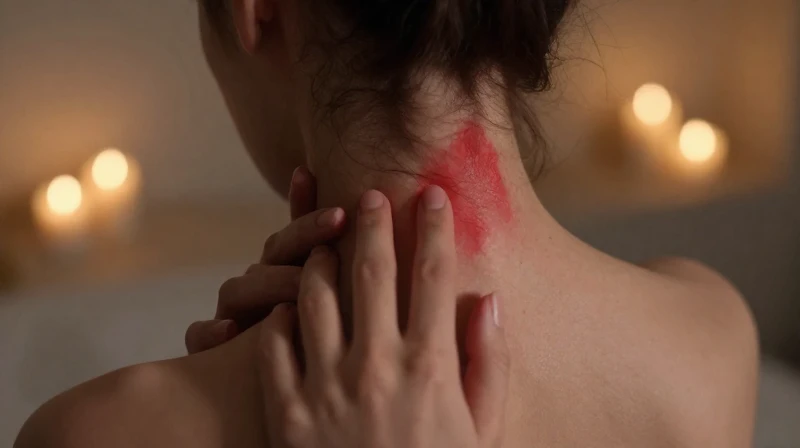
A hickey, commonly referred to as a "love bite," is a bruise—or a bruise-like mark—caused by the application of suction or biting to the skin [1]. It appears as a dark red or purple mark because the pressure from sucking pulls blood to the surface and ruptures the small, superficial blood vessels (capillaries) located just beneath the skin's surface [2]. While biting can contribute to the severity or shape of a hickey, the suction alone is sufficient to burst these vessels and create the visible mark [1].
Many people ask if normal kissing causes hickeys. The answer is generally no; while enthusiastic kissing is a common part of romantic interaction, a hickey requires specific, sustained suction or pressure that differs from standard mouth-to-mouth contact [2]. For those curious about the "why" behind these marks, the explanation lies in a combination of human anatomy, the mechanics of suction, and the way our bodies respond to pleasure.
The Science of the Mark: How Hickeys Form
To understand how a hickey forms, it helps to think of it as a localized minor injury. Your skin is supported by a network of capillaries—tiny vessels that carry blood. When you apply suction to a patch of skin, you are creating a vacuum or negative pressure. This pressure draws blood toward the surface. If the suction is strong enough, it causes these delicate capillaries to rupture [2].
Because the blood leaks out of the vessels and into the surrounding tissue, it becomes visible through the skin as a bruise. This is exactly what happens with any bruise: blood pools under the surface. In the case of a hickey, the "injury" is intentional and caused by the mouth. The intensity and longevity of the mark depend on several factors:
- Suction Strength: The harder the vacuum, the more capillaries are likely to rupture.
- Duration: Holding the suction in one spot for a longer period increases the likelihood of a visible mark.
- Tooth Involvement: Using teeth alongside suction can add "tearing" pressure to the "pulling" pressure of the suction, potentially making the mark deeper or more defined [1].
- Skin Thickness: Areas with thinner skin will bruise much more easily than areas with thicker, more muscular skin [2].
Anatomy and Sensation: Why the Neck?
While hickeys can be created on any part of the body, the neck is the most common location. This is due to a combination of biological and sensory factors. The skin on the neck is notably thin, making it highly susceptible to bruising from even moderate pressure [2]. Additionally, the neck is an erogenous zone, meaning it contains a high concentration of nerves close to the surface. When these nerves are stimulated through suction or biting, they can produce intense pleasurable sensations [2].
People also frequently experience hickeys on the chest or breasts. In these areas, the skin is also relatively thin and highly sensitive. Because these areas are often covered by clothing, some people prefer creating marks there to avoid public visibility [2]. From a physical sensation standpoint, some describe the feeling of a hickey as a "small deep-tissue massage" performed with the mouth, where the combination of pressure and warmth creates a unique tactile experience [2].
Kissing vs. Hickeys: What’s the Difference?
It is helpful to distinguish between standard romantic kissing and the specific actions that lead to hickeys to understand the physical mechanics involved.
| Action | Physical Mechanism | Likelihood of a Hickey | Primary Sensation |
|---|---|---|---|
| Standard Kissing | Soft contact of lips; gentle pressure. | Very Low | Soft, warm, and intimate. |
| Enthusiastic Kissing | Increased pressure; movement of lips/tongue. | Low to Moderate | Intense and passionate. |
| Hickey Creation | Sustained negative pressure (suction) or biting. | High | Intense, "deep-tissue" pressure. |
Pleasure and the Role of Hickeys in Foreplay
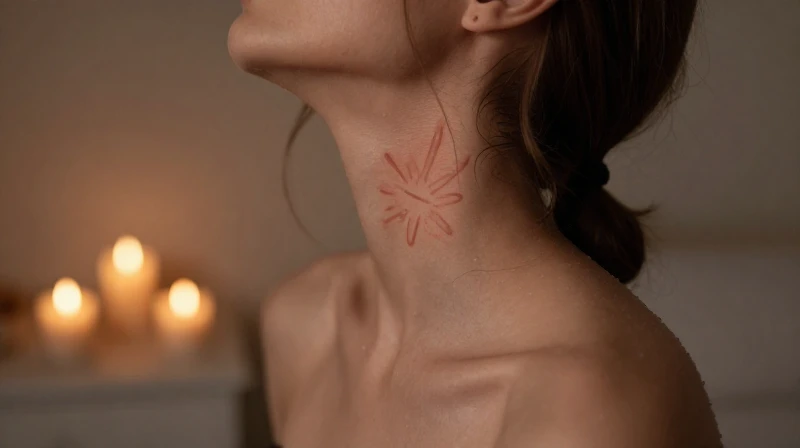
In the context of sexual pleasure, hickeys are often used as a form of foreplay. For many, the goal is not just the mark itself, but the sensory experience of the stimulation. The neck and chest are highly responsive to the combination of suction, teeth-over-skin movement, and the warmth of the mouth [2]. These actions can heighten arousal by stimulating nerve endings and creating a sense of intimacy and "claim" between partners.
Historically and socially, hickeys have carried various meanings. Some cultural contexts view them as marks of romantic affection. Others may interpret them through the lens of "marking territory," a concept that has even been reflected in ancient texts like the Kama Sutra, which discusses biting in relation to kissing [1, 2]. Regardless of the historical context, the modern experience is usually centered on the physical pleasure of the sensation and the shared intimacy of the act.
Safety and Health Considerations
For the vast majority of people, hickeys are harmless and will fade within a week or two as the body reabsorbs the leaked blood. However, because a hickey is technically a bruise caused by pressure, there are some safety considerations to keep in mind.
Is a Hickey on the Neck Dangerous?
In almost all cases, a hickey on the neck is not dangerous. However, there have been very rare reports of serious medical complications resulting from extreme pressure in the neck area. These can include:
- Vascular Damage: Damage to larger blood vessels.
- Nerve Damage: Irritation or damage to nerves in the neck.
- Stroke: In extremely rare instances, intense pressure on the carotid arteries could theoretically lead to a stroke, though this is not a standard risk of typical foreplay.
If you experience persistent pain, significant swelling, numbness in the face or arms, or difficulty breathing after receiving a hickey, you should seek medical attention immediately. These symptoms are not typical of a standard hickey and may indicate a more serious underlying issue.
Practical Tips: Testing and Soothing
If you are curious about how much pressure is required to create a mark, you can replicate the process on your own forearm. This allows you to see how the capillaries react and helps you understand how much suction is necessary to produce a bruise without causing unnecessary pain [2].
Because the skin can feel tender or sensitive immediately after a hickey is formed, many people suggest following up the sensation with gentle kisses on the same spot. This can help soothe the area and provide a transition from the intense pressure of the suction back to a softer, more comforting sensation [2].
Summary
A hickey is a localized bruise caused by the rupture of capillaries under the skin due to suction or biting [1, 2]. While they are most common on the neck due to its thin skin and high nerve concentration, they can occur anywhere on the body. From a pleasure perspective, they are a common element of foreplay used to heighten arousal through intense, deep-tissue-like sensation [2]. While generally safe, it is important to be mindful of the pressure applied; if you experience unusual symptoms like nerve numbness or severe swelling, consult a healthcare professional. For most, a hickey is a temporary mark of intimacy that will fade naturally as your body heals.
This information is for educational purposes and does not constitute medical advice.
Sources
- Wikipedia — en.wikipedia.org
- How do hickeys even work? : r/TooAfraidToAsk — reddit.com
Related Articles