
Introduction
Grinding is a form of non-penetrative genital stimulation where partners use friction, pressure, and movement to achieve pleasure without internal intercourse. It falls under the broader umbrella of "outercourse," a term used to describe any sexual activity that involves external genital contact or stimulation [1]. Whether you are looking for a way to explore new sensations, seeking a safer alternative to penetration, or simply prefer the feeling of external contact, grinding is a common, normal, and highly effective way to experience sexual pleasure.
Understanding Outercourse and Grinding
Many people feel a sense of pressure to engage in penetrative sex as the "standard" goal of intimacy. However, for many, outercourse offers a way to connect and experience pleasure that feels more comfortable, safer, or more aligned with their current desires. Grinding is a primary way to practice outercourse because it focuses on the external nerves of the genitals—such as the clitoris for those with vulvas or the glans and shaft for those with penises—which are often the most sensitive areas for orgasm and arousal [1].
People often choose grinding or other outercourse activities for several reasons:
- Physical Comfort: For individuals who find penetration painful or uncomfortable, grinding provides a way to maintain intimacy without that specific sensation [1].
- Vulnerability: Some people feel more emotionally or physically vulnerable during penetration and prefer the boundaries of external stimulation [1].
- Safety: Because it does not involve internal contact, some choose it to reduce the risk of certain infections [1].
- Preference: Many people simply find external stimulation more pleasurable or satisfying in the moment [1].
The Mechanics of Sensation: Friction vs. Pressure
To understand how grinding works, it helps to distinguish between two different types of physical sensation: friction and pressure. Friction is the result of two surfaces rubbing against one another. In a sexual context, this often feels like a "sliding" sensation. Pressure is the weight or force exerted by one body part against another. Grinding often combines both, using the movement of the hips or bodies to create a rhythmic "humping" or sliding motion [1].
For those with vulvas, grinding is frequently highlighted as a specific technique for achieving orgasm through external stimulation, as it allows for consistent contact with the clitoris [2]. For those with penises, grinding allows for outer rubbing that can provide significant stimulation to the head and shaft without the need for internal entry [1].
Common Grinding Techniques
There isn't just one way to "grind." Depending on the positions and the specific sensations you are looking for, there are several established methods. When looking for a specific grind sex position, understanding these variations can help you and your partner find what feels best.
Frottage and Tribbing
"Frottage" is a broad term for rubbing without penetration. This can include penis-to-vulva, vulva-to-vulva, or penis-to-penis contact [1]. A more specific form of this is "tribbing" (or tribadism), which refers specifically to vulva-on-vulva contact. This often involves rubbing the legs together to achieve indirect clitoral stimulation [1].
Intercrural and Intergluteal Positions
These terms describe how the bodies are positioned to create specific pressure points:
- Intercrural: This involves placing the penis between the thighs. This position is often used to incorporate clitoral pressure into the experience [1].
- Intergluteal: This involves placing the penis between the butt cheeks. This provides pressure and sensation without anal penetration [1].
"The Knee Thing"
This is a more direct method where one partner pushes their knee or thigh against another's clitoris or penis. This creates focused, direct pressure that can be highly effective for intense stimulation [1].
Sliding and Labial Contact
Grinding can also involve sliding a penis between the labia without penetration, or grinding the clitoris directly against the pubic bone to maximize nerve stimulation [1].
Comparison of Grinding Techniques
| Technique | Primary Mechanism | Common Positioning | Primary Sensation |
|---|---|---|---|
| Frottage | General rubbing | Various (Face-to-face, side-by-side) | General friction |
| Tribbing | Vulva-on-vulva rubbing | Legs pressed together | Indirect clitoral stimulation |
| Intercrural | Pressure between thighs | Partner's penis between thighs | Combined clitoral/penile pressure |
| Intergluteal | Pressure between buttocks | Partner's penis between butt cheeks | External pressure/friction |
| The Knee Thing | Direct pressure | Knee or thigh against genitals | Focused, localized pressure |
Enhancing the Sensation
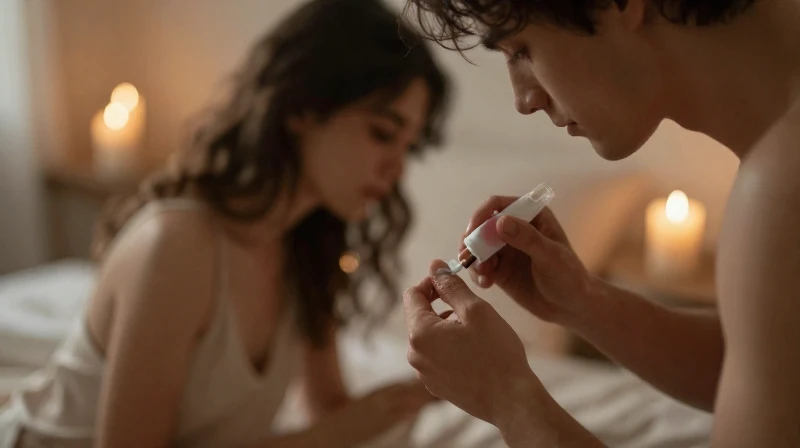
You can modify the intensity and sensation of grinding by incorporating different textures, tools, and environments. These adjustments can make outercourse feel more diverse and tailored to your specific preferences.
Lubrication and "Wet Humping"
To enhance the sensation of sliding or "wet humping," using a high-quality lubricant can be transformative. Lubricant reduces the "drag" of dry skin, making the movement smoother and more consistent, which can prevent irritation and increase pleasure [1].
Clothing and Hardware
Grinding doesn't always have to be skin-to-skin. Sometimes, the added layer of clothing can provide a different kind of tactile feedback. Using clothing hardware, such as belt buckles, can provide a more rigid and focused point of pressure during rubbing [1].
Props and Toys
Integrating objects into your outercourse can add new dimensions to the experience:
- Support Props: Pillows and blankets can be used to prop up hips or create a softer surface to lean against [1].
- Specialized Grinders: There are silicone grinders designed with straps that can be secured around a partner’s thigh or a pillow to provide steady, controlled pressure [1].
- Couples' Toys: Bulkier massagers or vibrators can be placed between two bodies during non-penetrative positions to add vibration and pressure [1].
- Tactile Textures: For a unique sensory experience, some people use items like a beaded necklace inside a lubricated glove to create specific textures against the skin during grinding [1].
Frequently Asked Questions
What does it mean to "grind" someone?
In a sexual context, to "grind" someone means to engage in rhythmic rubbing or pressing of the genitals against each other. It focuses on creating friction and pressure on the external parts of the genitals. It is a primary component of outercourse and is a common way for partners to experience pleasure without internal penetration.
Do guys like being grinded on?
Sexual preference is highly individual, but many people with penises enjoy being grinded on. The friction and pressure can provide significant stimulation to the glans (the head) and the shaft of the penis. Because it provides a different kind of tactile feedback than penetration—focusing more on external surface area—it can be a very satisfying and different type of pleasure.
How do I grind on my partner?
The best way to begin is to communicate with your partner about what feels good, as everyone's "sweet spot" is different. Here are some general steps to get started:
- Find a comfortable position: You might start face-to-face, allowing your hips to press together, or side-by-side.
- Establish a rhythm: Start with slow, steady movements of the hips to find a pace that feels good for both of you.
- Adjust the pressure: Use your weight and the muscles in your hips to increase or decrease the pressure. You can lean in more for more intensity or move more fluidly for a "sliding" sensation.
- Incorporate lubrication: If the friction feels too sharp or dry, add a lubricant to make the movement smoother [1].
- Communicate in real-time: Ask questions like, "Does this pressure feel good?" or "Should we move a bit faster/slower?" to ensure you are both enjoying the sensation.
The Importance of Intimacy
While the physical mechanics of grinding are important, outercourse is often most effective and fulfilling when it is paired with emotional and physical intimacy. To create a "soul-snatching" experience, consider incorporating non-genital touch. This includes skin-to-skin contact, sustained eye contact, and kissing. These elements help bridge the gap between physical sensation and emotional connection, making the experience feel like a shared journey rather than just a physical exercise.
Summary and Next Steps
Grinding is a versatile, respectful, and effective way to explore pleasure through outercourse. It provides a wide range of sensations—from the smooth slide of lubricated skin to the firm pressure of a knee or a belt buckle—making it an excellent option for those who prefer external stimulation or want to explore new boundaries.
If you are interested in trying outercourse, start by having an open conversation with your partner. Talk about what you’re curious about—whether it’s a specific position like the intercrural technique or just the idea of "sliding" without penetration. Because everyone's body responds differently, the goal is to experiment, communicate, and find the rhythm that feels best for both of you. If you experience any physical pain or persistent discomfort during these activities, it is always a good idea to consult with a healthcare provider to rule out any underlying issues.
Medical education, not medical advice.
Sources
- Outercourse & Grinding: Intimate Sex Without Penetration — thepelvicpeople.com
- The Grinding Technique For Female Orgasm - YouTube — youtube.com
Frequently Asked Questions
What does it mean to "grind" someone?
In a sexual context, grinding means engaging in rhythmic rubbing or pressing of the genitals against each other. It focuses on creating friction and pressure on the external parts of the genitals to experience pleasure without internal penetration.
Do guys like being grinded on?
Sexual preference is highly individual, but many people with penises enjoy being grinded on. The friction and pressure can provide significant stimulation to the glans and the shaft of the penis.
How do I grind on my partner?
Start by communicating with your partner to find a comfortable position and establish a slow, steady rhythm with your hips. You can adjust the pressure using your weight, incorporate lubricant to smooth the movement, and check in with your partner in real-time to ensure they are enjoying the sensation.
Related Articles