Introduction
A hickey, often called a "love bite," is essentially a localized bruise caused by the application of suction to the skin. When you create a hickey, you are causing small, superficial blood vessels—known as capillaries—to burst just beneath the surface of the skin [1, 3]. While many people associate hickeys with biting, the primary mechanism is actually suction, which creates negative pressure that pulls blood into the area until the tiny vessels rupture [2, 3].
Because hickeys are visible and linger for several days, they often carry a blend of physical sensation and social meaning. For some, they are a byproduct of intense pleasure and intimacy; for others, they are a visible symbol of a romantic connection. Understanding how they work, what they mean, and how to navigate them safely can help you manage both the physical effects and the social implications of these marks.
The Biological Mechanism: How a Hickey Forms
To understand why a hickey happens, it helps to look at the physics of the skin. A hickey is a type of suction bruise. When the mouth creates a seal against the skin and pulls inward, it creates a vacuum effect. This negative pressure forces blood into the capillaries. Because the skin in certain areas is very thin, these vessels cannot withstand the pressure and pop [2, 3].
While biting can certainly contribute to the damage and intensity of a mark, the "hickey" effect is primarily a result of the suction [1, 3]. This is the same principle used in cupping therapy, where cups are placed on the skin to create a vacuum that draws blood to the surface [2, 3].
The Healing Process
Once a hickey is formed, your body begins the standard inflammatory response of healing a bruise. The appearance of the mark changes as your body breaks down the hemoglobin (the protein in red blood cells) and reabsorbs the pigments [3]:
- Initial Stage: The mark usually begins as a dark red or deep purple.
- Intermediate Stage: As the blood begins to break down, it may shift into shades of blue or dark brown.
- Final Stage: As the body successfully reabsorbs the pigments, the mark may develop a yellowish-green hue before fading completely [3].
Anatomy and Sensation: Why the Neck?
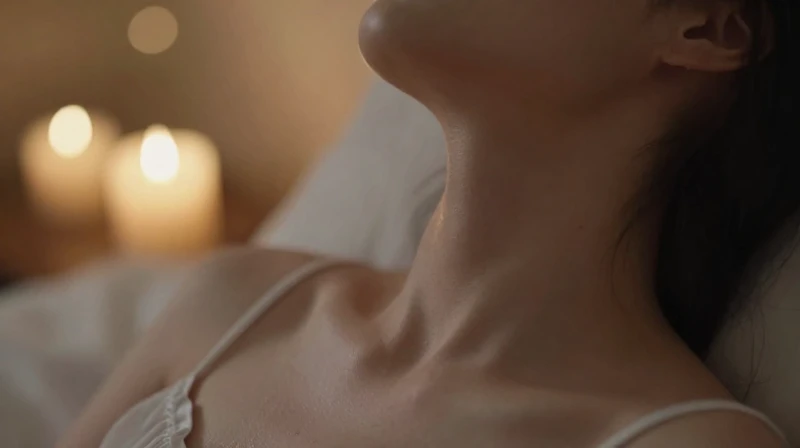
Hickeys most frequently occur on the neck, shoulders, and chest. This isn't a coincidence; these areas are prime locations because they are highly sensitive erogenous zones. They have a high density of nerves located very close to the surface of the skin, making them extremely responsive to touch, pressure, and temperature changes [2, 3].
The combination of these sensations—the warmth of the breath, the texture of the teeth, and the pressure of the suction—can significantly heighten arousal during foreplay. For many, the stimulation of these nerves provides a pleasurable "spark" that contributes to the overall experience of intimacy [2].
The Social and Relational Meaning of Hickeys
People often ask what a hickey "means" to a partner. While everyone’s relationship dynamic is different, hickeys generally fall into two categories of social meaning:
1. Symbols of Affection
In many contexts, a hickey is viewed as a "souvenir" of a private, passionate moment. It can be a way of showing, even briefly, that two people were physically close and enjoyed each other's company. In historical texts like the Kama Sutra, biting has been linked to the act of kissing as a form of intimate play [1].
2. Territorial Marks
Sociologically, hickeys are sometimes described as "territorial marks." Because they are visible to the public, they serve as a signal of a person's availability or their current romantic status. This can be a source of pleasure for some, but it can also be a source of anxiety for others who wish to keep their private lives private.
Managing Visibility
Because hickeys are public and lingering, many adults choose to create them in less visible locations to avoid professional or social scrutiny [2, 3]. If you want to enjoy the sensation without the "neck souvenir" being visible at work or in public, consider these areas:
- The Hips: Easily covered by clothing but highly sensitive to touch.
- The Lower Shoulders: Often obscured by shirt collars or hair.
- The Chest: Easily hidden by various types of tops.
Safety, Consent, and Comfort
While hickeys are generally considered a safe part of sexual exploration, there are a few practical and safety considerations to keep in mind.
Consent is Essential
Because a hickey is a "neck souvenir" that remains visible for several days, it is crucial to have enthusiastic consent before creating one [3]. A mark can impact a partner's ability to work, go to school, or interact with family, so it is always best to check in first.
Minimizing Discomfort
The skin on the neck is delicate. To ensure the experience is pleasurable rather than painful, follow these tips:
- Avoid Extreme Pressure: Use steady, firm suction rather than aggressive pulling or biting.
- Follow-up with Gentle Kisses: After the mark is made, the area may be tender or sensitive. Softening the area with gentle kisses can help soothe the nerves [2].
- Communication: Talk about what feels good. Everyone has different thresholds for pressure and sensitivity.
Medical Risks
While rare, there have been reported medical complications associated with hickeys, including vascular damage, nerve damage, or, in very extreme cases, strokes [1]. These are significantly less common than the typical bruise, but they serve as a reminder that the neck contains vital structures like the carotid artery and jugular vein. Avoid applying extreme pressure to the front of the neck where these major vessels are located.
Practical Summary: What to Know
Whether you are curious about the biology of a hickey or the social etiquette surrounding it, the key takeaway is that they are a common, normal part of human intimacy. They are essentially a "suction bruise" caused by the rupture of capillaries due to negative pressure [2, 3].
To navigate hickeys healthily and comfortably:
- Understand the "Why": They happen because of high nerve density and thin skin in erogenous zones [2].
- Check the Meaning: Recognize that they can be both a symbol of affection and a visible mark that requires consent [1, 3].
- Prioritize Safety: Stay aware of your partner's boundaries and avoid placing extreme pressure on areas with major arteries [1].
- Manage the Aftermath: Be prepared for the mark to change colors as it heals and to communicate if the area feels sensitive afterward [3].
Note: This information is for educational purposes and does not constitute medical advice. If you notice a mark that is accompanied by severe pain, swelling, or difficulty breathing, seek medical attention immediately.
Sources
- Wikipedia — en.wikipedia.org
- How do hickeys even work? : r/TooAfraidToAsk — reddit.com
- What IS a Hickey? How to Get, Give, and Get Rid of Them — teenvogue.com
Frequently Asked Questions
Is giving a hickey painful?
Hickeys are intended to be pleasurable, but they can be uncomfortable or painful if extreme pressure is applied to the delicate skin of the neck. To ensure the experience is pleasurable, the article suggests using steady suction rather than aggressive pulling or biting.
Why do we give hickeys?
Hickeys are often given as symbols of affection to serve as "souvenirs" of private, passionate moments and physical closeness. They can also function as territorial marks that signal romantic status or be used to heighten arousal during foreplay.
Related Articles