Introduction
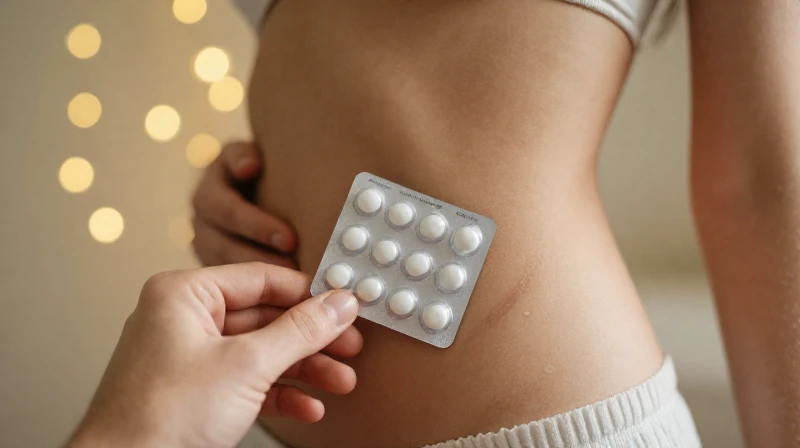
If you are looking for a birth control method that does not cause weight gain, the most important thing to know is that research indicates there is no direct correlation between the use of birth control and weight gain or weight loss [2]. For the vast majority of people, switching to a hormonal contraceptive will not result in significant weight changes. However, because birth control works by altering your body’s hormonal environment, it can influence factors like fluid retention, bloating, and appetite—all of which can change how your body feels and looks, even if the number on the scale remains relatively stable.
Finding the right method is about balancing your reproductive needs, your tolerance for side effects, and your personal health goals. While some methods are more likely to cause noticeable "bulk" through water retention, others are virtually inert regarding your body’s weight. To choose the best option for you, it helps to understand the specific mechanisms behind how these different methods interact with your metabolism and hormones.
The Science of Hormones and Body Weight
To understand why some people report weight changes while others don't, we have to look at the specific hormones involved in contraception. Most hormonal birth control contains two types of hormones: estrogen and progestogen (also known as progestin). These hormones influence your body in different ways:
- Estrogen and Water Retention: Estrogen can influence how your body manages fluids. Some users may experience increased water retention, which can lead to a feeling of "puffiness" or bloating. This isn't necessarily an increase in body fat, but rather a shift in fluid balance.
- Progestogen and Appetite: Certain progestogens can affect your appetite or how your body processes nutrients. Some people find that their cravings increase on specific types of pills, while others find no change at all.
- The Antimineralocorticoid Effect: Some modern contraceptives, like certain pills (e.g., Slynd or Yaz), contain a specific type of progestin called drospirenone. This acts as an antimineralocorticoid, which helps the body drop water weight and can be a preferred choice for those who are highly sensitive to water retention [1, 3].
Because everyone’s genetics and hormone receptors are unique, your individual response to these hormones will vary. What causes significant bloating for one person might have no effect on another.
Evidence by Contraceptive Method
Not all birth control methods are created equal when it comes to weight impact. The evidence varies depending on whether the method is hormonal, non-hormonal, or a long-acting injectable.
Combined Oral Contraceptives, Patches, and Rings
These methods use a combination of estrogen and progestogen. Clinical studies have shown that these methods do not typically cause significant weight gain. In many studies, users gained an average of only 0.4 kg to 0.88 kg over a full year—a margin of weight gain that is very similar to what is seen in people who are not using any hormonal birth control [2].
The Depo-Provera Shot
The Depo-Provera shot is one of the most frequently discussed methods regarding weight gain. The research here is somewhat mixed. Some 10-year longitudinal studies suggest that users may experience a weight gain of approximately 6.5 kg to 9.5 kg [2]. However, other studies have shown no significant difference in weight compared to users of copper IUDs. This suggests that while some people may experience weight gain on the shot, it is not a universal experience.
Implants (e.g., Nexplanon)
Data on hormonal implants is currently inconsistent. One study showed a very minor gain of 0.1 kg after one year—comparable to a copper IUD—while another study reported a gain of 2.1 kg when analyzing data across all races [2]. This inconsistency highlights how much individual factors play a role in how these implants affect the body.
Hormonal IUDs (e.g., Mirena, Liletta)
Hormonal IUDs are generally not associated with weight gain in clinical settings. However, some research suggests they might result in a slight increase in body fat percentage for some users, even if the total body weight remains relatively stable [2].
Non-Hormonal Options: Copper IUD and Barrier Methods
If your primary concern is avoiding any hormonal influence on your weight, non-hormonal methods are the most direct route.
- Copper IUD: This is a frequently cited option for those who want to avoid hormonal weight gain or who want to "reset" their body after gaining weight from previous hormonal methods [1, 3].
- Barrier Methods: Options like condoms are highly effective for avoiding both weight gain and any hormonal side effects entirely [1, 3].
Factors Beyond Birth Control: Why Weight Changes Happen

It is easy to blame a new pill for a change in body weight, but often, the cause is more complex. If you notice significant weight changes that feel difficult to manage, it is important to look at other underlying factors:
Medical Conditions
Significant, rapid weight gain can sometimes be linked to underlying medical conditions rather than the birth control itself. For example, Polycystic Ovarian Syndrome (PCOS) can affect weight metabolism and insulin sensitivity. If you have PCOS, you may require specific medical treatments or dietary adjustments regardless of which contraceptive you choose [2, 3].
Lifestyle and Environment
External factors often have a much larger impact on body weight than the specific type of contraceptive used. These include:
- Sleep Quality: Chronic lack of sleep can disrupt hormones that regulate hunger and metabolism.
- Socioeconomic Status: Access to nutritious food and a stable environment significantly impacts weight maintenance [2].
- Exercise Intensity: The frequency and intensity of physical activity are primary drivers of body composition.
Comparing Contraceptive Methods for Weight Concerns
The following table summarizes the current evidence regarding weight and different contraceptive options:
| Method | Evidence on Weight Gain | Hormonal Status | Key Considerations |
|---|---|---|---|
| Combined Pill/Patch/Ring | Minimal (similar to non-users) | Hormonal | May cause minor water retention or bloating. |
| Depo-Provera Shot | Mixed (potential 6.5–9.5 kg gain) | Hormonal | Long-term studies show varying results. |
| Nexplanon (Implant) | Inconsistent (0.1–2.1 kg gain) | Hormonal | Varies significantly by individual study data. |
| Hormonal IUDs | Generally none | Hormonal | Some reports of increased body fat percentage. |
| Copper IUD | None | Non-Hormonal | Avoids all hormonal weight impacts. |
| Barrier Methods | None | Non-Hormonal | Effective for avoiding hormonal side effects. |
Addressing Common Questions
Which birth control pills do not cause weight gain?
While there is no "weight loss" pill, combined oral contraceptives generally show minimal weight gain in clinical studies [2]. If you are specifically worried about water retention and bloating, you might look for options containing drospirenone, which can help the body drop water weight [1, 3].
What birth control is best for losing weight?
It is important to be clear: Birth control is not a weight-loss medication. While some people may experience a change in appetite or metabolism, these methods are not designed to facilitate fat loss or increase calorie burning. If your goal is weight loss, it is best to work with a nutritionist or healthcare provider to create a sustainable plan that includes diet and exercise.
Which pill is best for not gaining weight?
For those who want to ensure no hormonal impact on their weight, non-hormonal options like the copper IUD or barrier methods are the most reliable. Among hormonal options, the combined pill, patch, and ring are often the most stable choices for people who do not experience significant fluctuations.
Is there a way to not gain weight while on birth control?
Yes. The most effective way to avoid birth-control-related weight changes is to choose a non-hormonal method. If you prefer hormonal options, choosing a method that has been shown to have minimal weight impact (like the combined pill or a hormonal IUD) while staying consistent with your sleep, nutrition, and exercise routine is your best strategy [2].
Summary and Next Steps
The research is clear: for the majority of people, birth control does not cause significant weight gain. However, because your body is a complex system of hormones and genetics, your experience will be unique. If you find yourself gaining weight that feels unmanageable or is accompanied by other symptoms like irregular cycles or hair growth, it may be worth discussing underlying conditions like PCOS with your doctor.
When choosing your next method, consider the following steps:
- Track your symptoms: Keep a log of how you feel (bloating, energy levels, appetite) when you start a new method.
- Discuss specific hormones: Ask your healthcare provider about progestins like drospirenone if you are prone to water retention.
- Evaluate lifestyle: Ensure your sleep and activity levels are supported, as these often have a larger impact than the contraceptive itself.
- Consult a professional: Because this information is for educational purposes and not a diagnosis, schedule an appointment with a healthcare provider to find a method that aligns with your specific health history.
Sources
- What birth control (excluding IUD’s) have caused little to no weight gain? : r/birthcontrol — reddit.com
- Which Types of Birth Control Don't Cause Weight Gain? — helloalpha.com
- Birth control option that avoids weight gain? : r/birthcontrol — reddit.com
Frequently Asked Questions
Which birth control pills do not cause weight gain?
While no "weight loss" pill exists, combined oral contraceptives generally show minimal weight gain in clinical studies. For those concerned with water retention and bloating, options containing drospirenone may help the body drop water weight.
What birth control is best for losing weight?
Birth control is not a weight-loss medication and is not designed to facilitate fat loss or increase calorie burning. To achieve weight loss goals, it is best to work with a healthcare provider or nutritionist to create a plan involving diet and exercise.
Which pill is best for not gaining weight?
Non-hormonal options like the copper IUD or barrier methods are the most reliable for ensuring no hormonal impact on weight. Among hormonal options, the combined pill, patch, and ring are often the most stable choices for those who do not experience significant fluctuations.
Is there a way to not gain weight while on birth control?
The most effective way to avoid birth-control-related weight changes is to choose a non-hormonal method. Alternatively, choosing a method with minimal weight impact, like the combined pill or a hormonal IUD, while maintaining a consistent sleep, nutrition, and exercise routine is a recommended strategy.
Related Articles