Introduction
You do not have to shave your pubic hair before sex. Whether you choose to remove, trim, or leave your pubic hair completely natural is a matter of personal preference, comfort, and how you feel in your own body. There is no “correct” way to groom your genitals, and the decision is entirely yours.
While many people feel pressure to achieve a completely smooth look due to media influence or partner requests, the choice often comes down to a balance of practical factors: how the hair feels against your skin, how much time you want to spend on maintenance, and your personal level of comfort with your body. This article will explore the physical, safety, and relational aspects of pubic hair grooming to help you make the choice that feels best for you.
Understanding Intimate Shaving
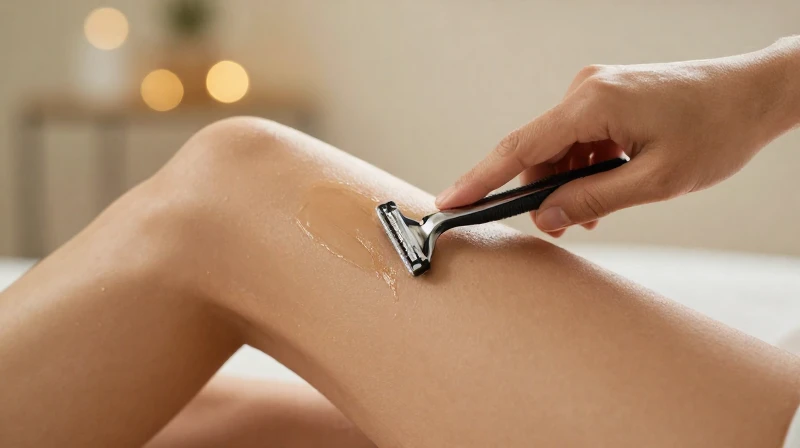
Intimate shaving refers to the practice of using a razor or other hair-removal tool to remove pubic hair from the Mons pubis (the fatty tissue over the pubic bone) and the labia or scrotum. Many people engage in this for aesthetic reasons, to increase perceived sensitivity, or to make certain sexual activities, such as oral sex, easier to navigate.
It is helpful to view grooming as a spectrum. You are not limited to “all or nothing” choices; many people prefer a middle ground, such as trimming the hair to a shorter length rather than removing it entirely.
The Biological Function of Pubic Hair
Before deciding whether to remove your hair, it is useful to understand what it actually does. Pubic hair is not just an aesthetic feature; it serves several biological functions:
- Temperature Regulation: Pubic hair may help keep the genital area cooler during physical activity [1].
- Bacterial Barrier: It can help keep some bacteria away from the vagina or urinary opening. However, it is important to note that the outer and inner labia also provide a significant level of protection in this regard [1].
- Sensation and Protection: For many, pubic hair provides a "comfy cushion" during sexual activity. It can also add a level of tactile sensitivity that some people find pleasurable.
The Pros and Cons of Shaving
Choosing to shave involves a trade-off between immediate aesthetic results and ongoing physical maintenance. Understanding these trade-offs can help you decide if shaving aligns with your goals.
The Benefits of Shaving
For some individuals, removing hair increases sensitivity by allowing for more direct skin-to-skin contact. Others prefer the visual aspect of being hairless or find it easier to clean the area quickly after sex. Furthermore, some people feel that removing hair is a more accurate reflection of their personal gender identity [1].
The Drawbacks of Shaving
Shaving is a high-maintenance habit. Common practical drawbacks include:
- Ingrown Hairs: Shaving can lead to hairs curling back into the skin, causing painful bumps or folliculitis.
- Irritation: The "growback" phase can be itchy, prickly, and uncomfortable, sometimes lasting for several days.
- Time and Cost: Consistent shaving requires regular supplies (razors, shaving cream, moisturizers) and dedicated time for grooming.
Safety and STI Risks
One of the most important considerations when shaving before sex is physical safety. Shaving creates micro-abrasions—tiny nicks, scrapes, and minor irritations on the skin.
Because these small tears can serve as potential entry points for sexually transmitted infections (STIs), it is recommended to wait at least a day or two after shaving before engaging in genital sex [1]. This gives the skin enough time to heal and create a protective barrier. If you notice significant irritation, redness, or open cuts after shaving, it is best to wait until the skin has completely recovered before having sex.
Comparing Grooming Options

To help you decide what works best for your lifestyle and physical comfort, here is a comparison of the three most common approaches to pubic hair:
| Feature | Shaving | Trimming | Natural |
|---|---|---|---|
| Skin Texture | Smooth, but prone to "strawberry skin" or bumps. | Textured and soft. | Natural and soft. |
| Maintenance | High; requires frequent attention to stay smooth. | Moderate; requires less frequent upkeep. | Low; minimal effort required. |
| Sensation | Increased skin-to-skin contact. | Balanced sensitivity and cushioning. | Provides a "cushion" feel. |
| Safety Risk | Higher risk of micro-abrasions from razors. | Lower risk of skin irritation. | Lowest risk of skin irritation. |
Navigating Partner Requests and Red Flags
The decision to shave is often influenced by a partner’s desires. While it is common for partners to have preferences, it is important to distinguish between healthy communication and behavior that might be problematic.
Healthy Motivations
A request for hair removal is often based on a partner's personal preference or visual enjoyment. For example, a partner might express that they enjoy being able to see more of your body during sex. In many cases, these are "righteous" answers—meaning they are based on their own preferences rather than a judgment of your body [1].
Red Flags to Watch For
It is important to recognize when a partner's request stems from a place of judgment or unrealistic expectations. Potential red flags include:
- Moral Judgment: If a partner describes a natural body as "unclean" or "gross," this is a sign of body-shaming.
- Double Standards: If a partner expects you to be hairless while they remain hairy, this may indicate a double standard regarding gender and body autonomy.
- Pornography Influence: If a partner expects you to look exactly like a performer in pornography, they may be holding you to an unrealistic standard that doesn't reflect real-world adult bodies.
A partner who seems "freaked out" by natural adult bodies may lack the maturity required for a healthy sexual relationship. If their expectations negatively impact your body image or make you feel ashamed of your natural self, it is a significant conversation to have regarding their maturity and your comfort.
How to Communicate Your Preferences
If you are unsure how to handle the topic of grooming with a partner, clear and honest communication is the best path forward. You can address this before you are in a sexual situation to take the pressure off the moment.
- If you want to keep your hair: You can say, "I prefer keeping my hair natural because I find it more comfortable and it makes me feel more like myself."
- If you want to trim instead of shave: You can say, "I’m not a fan of the irritation that comes from shaving, but I’m happy to trim things down so they are shorter."
- If you are feeling pressured: You can say, "I noticed you mentioned wanting me to shave. It makes me feel a bit self-conscious. Can we talk about why that’s important to you?"
Summary and Next Steps
Ultimately, your body belongs to you. There is no medical or social requirement to remove your pubic hair.
If you choose to shave, prioritize your skin’s health by using a clean razor and a moisturizing shave cream, and give your skin 24 to 48 hours to heal before having sex to minimize STI risks. If you prefer less maintenance and fewer “prickly” growback issues, trimming with electric trimmers is an excellent middle ground.
If a partner’s requests make you feel uncomfortable, ashamed, or judged, it is a good time to step back and discuss their expectations. A healthy sexual relationship is built on mutual respect for each other’s bodies—natural, groomed, or anything in between.
This content is for educational purposes only and does not constitute medical advice. If you experience persistent skin irritation, signs of an STI, or severe folliculitis, please consult a healthcare professional.
Sources
- To shave or not to shave? Here's the answer. — scarleteen.com
- Reddit - The heart of the internet — reddit.com
Frequently Asked Questions
What is intimate shaving?
Intimate shaving refers to using a razor or other hair-removal tool to remove pubic hair from the Mons pubis, labia, or scrotum. People often engage in this practice for aesthetic reasons, to increase perceived sensitivity, or to make certain sexual activities easier to navigate.
Is it good to shave a private part before sex?
The decision to shave is a matter of personal preference and comfort rather than a requirement. However, if you choose to shave, it is recommended to wait at least a day or two before having sex to allow micro-abrasions to heal and minimize the risk of STIs.
Why does my girlfriend shave her private area?
Individuals may choose to shave for aesthetic reasons, to increase skin-to-skin sensitivity, or to make sexual activities like oral sex easier to navigate. Others may prefer it because it is easier to clean the area quickly or because it reflects their personal gender identity.
Related Articles