Introduction
If you notice light spotting or a "mini-period" immediately following intercourse while using an intrauterine device (IUD), the most important thing to know is that this is a common experience for many users. While it can feel alarming to see blood when you aren't expecting it, it is often a benign reaction to physical activity rather than a sign of a medical emergency. In many cases, the bleeding is simply the result of minor friction, the specific way the IUD interacts with your uterine lining, or anatomical factors like a sensitive cervix.
While most instances of post-coital bleeding with an IUD are normal, understanding the distinction between "expected spotting" and "concerning symptoms" is key to managing your reproductive health. This guide explains the mechanics of why this happens, how different types of IUDs affect your body, and—most importantly—when you should reach out to a healthcare provider for a check-up.
Physical Friction and Vaginal Health
One of the most frequent reasons for bleeding after sex, regardless of whether you have an IUD, is physical irritation. The vaginal walls are composed of delicate mucosal tissue that requires adequate moisture to remain resilient. When there is insufficient lubrication—whether due to arousal levels, hormonal changes, or the use of certain medications—friction during penetration can cause microscopic tears or "micro-trauma" in the vaginal lining or the area surrounding the cervix [2].
Because the IUD is located inside the uterus, it can sometimes influence the sensitivity of the surrounding tissues. If the intercourse is particularly rough or deep, the repetitive motion can irritate the vaginal canal. This often presents as light, bright red spotting that appears shortly after the encounter and typically subsides quickly. Keeping the area well-lubricated is often the simplest way to mitigate this specific cause of bleeding.
How the IUD Interacts with the Uterine Lining
The IUD functions by occupying space and, in the case of hormonal models, releasing medication to change the environment of the uterus. These changes can make the uterine lining more susceptible to "shedding" during physical activity.
The Thinning Effect
Hormonal IUDs (such as Mirena or Kyleena) work by thinning the endometrial lining of the uterus. Because the lining is thinner, it can sometimes be "scraped" or irritated by the physical movement of intercourse [1]. Some users, particularly those with a lower cervix, suggest that this movement can cause the IUD to shift slightly or "bump" against the lining, leading to the release of small amounts of blood [3].
Copper IUD Dynamics
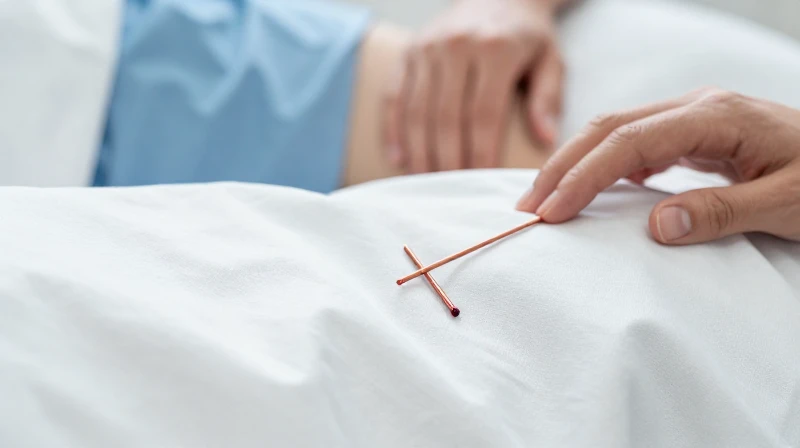
Copper IUDs function differently; they do not thin the lining but rather keep menstrual cycles regular. For these users, the physical stimulation of sex can sometimes "trigger" the start or the tail end of a period. If your body is already preparing to shed the uterine lining, the mechanical action of intercourse can accelerate that process, resulting in spotting or a sudden increase in flow [2].
Anatomical Factors: Polyps and Ectropion
Sometimes, the cause of bleeding isn't the IUD itself, but rather the anatomy of the cervix or uterus being moved during sex. Two common, benign conditions can lead to post-coital bleeding:
- Cervical Ectropion: This occurs when glandular cells from the inside of the cervical canal grow onto the outer surface of the cervix. These cells are more fragile than the outer squamous cells and can bleed easily when touched or irritated by a penis, finger, or toy.
- Uterine or Cervical Polyps: These are small, benign growths on the lining of the uterus or the cervix. Because they have a rich blood supply, they can be easily "bumped" during intercourse, leading to bright red spotting [2].
If you find that you experience spotting almost every time you have sex, regardless of how much lubrication you use, it may be worth mentioning to your doctor to see if a polyp or ectropion is the culprit.
IUD Displacement: When Spotting Becomes a Concern
While most spotting is harmless, it can occasionally be a sign that the IUD is not positioned correctly. This is known as displacement. If an IUD moves out of its ideal position, it may irritate the uterine wall more significantly than it would in its correct spot.
Factors that can lead to displacement include:
- Incorrect initial positioning during the insertion procedure.
- Using an IUD size that is not appropriate for your uterine anatomy.
- Insertion during the teenage years or shortly after a delivery or miscarriage [2].
- Uterine abnormalities that make it difficult for the device to stay secure.
A primary indicator of displacement is a change in how you feel the IUD strings. If you can no longer feel your strings at all, or if the strings feel significantly longer or shorter than they used to, the device may have shifted. While some users continue to bleed even while their strings remain in place, a change in string length combined with unusual bleeding is a strong signal to seek medical attention.
Infections and Inflammatory Responses

Sometimes, bleeding after sex is a sign that the reproductive tissues are inflamed or fragile due to an underlying infection. When tissues are inflamed, they become much more prone to bleeding under the stress of friction.
Common culprits include:
- Vaginitis: This includes common issues like yeast infections or bacterial vaginosis (BV), which can cause the vaginal walls to become irritated and prone to micro-tears [2].
- Pelvic Inflammatory Disease (PID): This is a more serious infection of the reproductive organs. If you have PID, the uterine lining can become very fragile, leading to significant bleeding and often accompanied by other symptoms like fever or unusual discharge.
Comparison of IUD Types and Bleeding Tendencies
Different IUDs interact with your body in different ways, which can influence why you might experience spotting after sex.
| IUD Type | Primary Mechanism | Common Bleeding Reason | Typical Experience |
|---|---|---|---|
| Copper IUD | Non-hormonal; creates an environment hostile to sperm. | Triggering a period or irritation of the uterine lining. | Often associated with regular cycles; "mini-periods" may occur. |
| Hormonal (e.g., Mirena, Kyleena) | Releases progestin to thin the lining and thicken cervical mucus. | Friction on a thinned lining or "bumping" the device. | May experience spotting even without a regular period. |
Addressing Common Concerns
Can hitting the cervix cause bleeding after sex?
Yes. The cervix is a sensitive area, and direct impact—especially if there is an underlying condition like a polyp or ectropion—can cause it to release small amounts of blood. This is common and usually not a cause for alarm unless it is accompanied by severe pain.
Can sex trigger a period with an IUD?
Yes, particularly with the copper IUD. Because the copper IUD doesn't suppress your cycle, the physical activity of sex can stimulate the uterine lining to begin shedding a little earlier or more intensely than usual [2].
Why am I bleeding with an IUD after a year?
Bleeding can occur at any point during the life of the IUD. If it started recently, it could be due to a change in your activity level, a new partner, or a shift in your own hormonal health. If it is a new development after months of no issues, it is worth monitoring to ensure the IUD hasn't shifted.
How do I know if my IUD punctured my uterus?
While the fear of "puncturing" the uterus is common, it is a very rare complication of IUD insertion. Most "punctures" would occur during the initial insertion and would result in significant, acute pain and heavy bleeding at that time. If you are currently using your IUD and experience sudden, sharp, internal pain, you should seek medical evaluation immediately, but this is usually a sign of displacement or infection rather than a new puncture.
When to See a Healthcare Provider
While light spotting after sex is usually a minor issue, there are specific "red flags" that indicate you should schedule an appointment with a healthcare provider. These signs suggest that the bleeding may be caused by infection, displacement, or a growth that requires medical intervention.
See a doctor if you experience:
- Persistent Pain: If you experience pain during or after sex that lasts for more than a week.
- Severe Cramping: Intense, sharp, or debilitating abdominal cramps that are significantly worse than your typical period cramps.
- String Changes: If you can no longer feel your IUD strings at all, or if they feel like they have moved significantly.
- Heavy Bleeding: If the bleeding is heavy enough to soak through a pad or tampon quickly, rather than just light spotting.
- Fever or Feverish Chills: These are often signs of an infection like PID that requires prompt treatment.
When you see your provider, they will likely perform a pelvic exam and may order a pelvic ultrasound to confirm that the IUD is still correctly positioned within the uterus. This is a standard, non-invasive way to ensure your contraception is working as intended.
Medical education, not medical advice.
Sources
- Bleeding after sex with IUD : r/birthcontrol — reddit.com
- Bleeding After Sex With An IUD: Should I Be Worried? — blog.inito.com
- Bleeding after sex mirena iud : r/birthcontrol — reddit.com
Frequently Asked Questions
Can hitting the cervix cause bleeding after sex?
Yes, hitting the cervix can cause small amounts of blood because it is a sensitive area. This is generally common and not alarming unless it is accompanied by severe pain, especially if conditions like polyps or ectropion are present.
Can sex trigger a period with IUD?
Yes, sex can trigger a period, particularly with a copper IUD. The physical activity of intercourse can stimulate the uterine lining to begin shedding a little earlier or more intensely than usual.
Why am I bleeding with an IUD after a year?
Bleeding can occur at any point during the life of the IUD and might be caused by changes in activity level, a new partner, or shifts in hormonal health. If the bleeding is a new development after months of no issues, you should monitor it to ensure the IUD hasn't shifted.
How do I know if my IUD punctured my uterus?
Puncturing the uterus is a very rare complication that typically occurs during initial insertion, resulting in significant acute pain and heavy bleeding. If you experience sudden, sharp, internal pain while using your IUD, seek medical attention, as this is usually a sign of displacement or infection.
Related Articles