Introduction
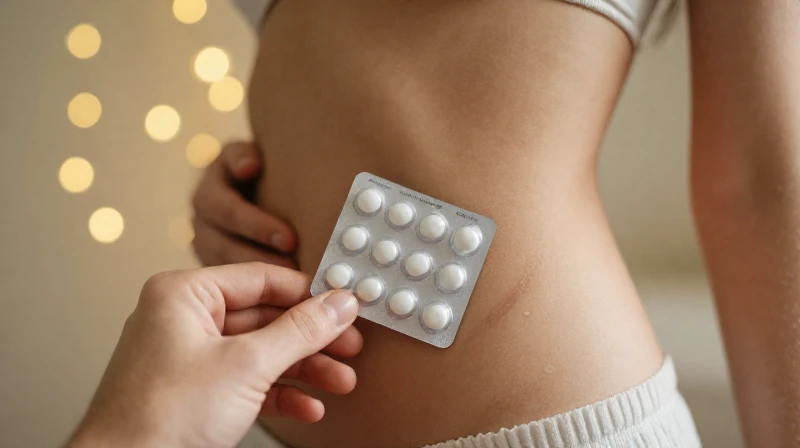
The short answer is that the morning-after pill (specifically levonorgestrel, commonly known as Plan B) is significantly less effective if you have already ovulated. Because Plan B’s primary mechanism of action is to delay the release of an egg from the ovary, it cannot effectively "stop" a process that has already taken place. If ovulation has already occurred, the pill has no primary biological pathway to prevent pregnancy.
However, if you are unsure whether you have ovulated yet, medical professionals generally recommend taking the morning-after pill anyway. There is a possibility that your ovulation has not happened, and in that scenario, the pill can still be highly effective. Understanding the mechanics of how this happens—and what happens when the timing is off—can help ease the anxiety that often follows a "close call" with emergency contraception.
The Biological Mechanism: How Plan B Works
To understand why timing matters so much, it helps to look at what happens inside your body during a typical menstrual cycle. Every month, your body prepares to release an egg. This process is driven by a complex dance of hormones, primarily estrogen and progesterone.
Plan B works by using a high dose of levonorgestrel, a synthetic version of progesterone. When you take the pill, it creates a rapid surge in your hormone levels. This surge is intended to "jam the gears" of the reproductive cycle. Specifically, it aims to delay the LH (luteinizing hormone) surge that signals the ovary to release the egg. By delaying ovulation, the pill ensures that any sperm present in the reproductive tract will have a "target" that isn't ready yet.
Because its job is to prevent the release of the egg, the pill's efficacy relies entirely on the egg still being inside the ovary. Once the egg is released (ovulation), the primary "gate" that Plan B is designed to close is already open. There is currently a lack of scientific consensus on whether Plan B can effectively block fertilization (the meeting of sperm and egg) or prevent an embryo from implanting in the uterus; its primary approved function remains the delay of ovulation [2].
The Ovulation Factor: Why Timing Is Everything
The effectiveness of emergency contraception is closely tied to where you are in your cycle. If you have unprotected sex, the "window" for Plan B is most successful when ovulation is still a few days away.
If you are already ovulating or have just finished ovulating, the success rate of the morning-after pill during ovulation drops significantly. This is because the window of fertility is highest during these days. While there is only about a 30% chance of conceiving during any given month of unprotected sex [2], that percentage is much higher during the specific days surrounding ovulation.
Factors That Influence Efficacy
While timing is the biggest factor, other variables can impact how well levonorgestrel works in your body:
- Time Since Intercourse: Plan B is most effective (nearly 95% success rate) when taken within 24 hours of unprotected sex. As time passes, the hormone levels in the pill may not be able to keep up with the biological progress of your cycle.
- Body Weight: The efficacy of Plan B can decrease for individuals weighing more than 165 pounds [1, 2]. Because the pill is a dose-based medication, higher body mass may require a different concentration of hormones to achieve the same biological effect.
- Alcohol Consumption: Consuming alcohol around the time you take Plan B can also decrease its effectiveness, as alcohol can interfere with how your body metabolizes the medication [1, 2].
Tracking and Prediction: The Limits of Apps and Calendars
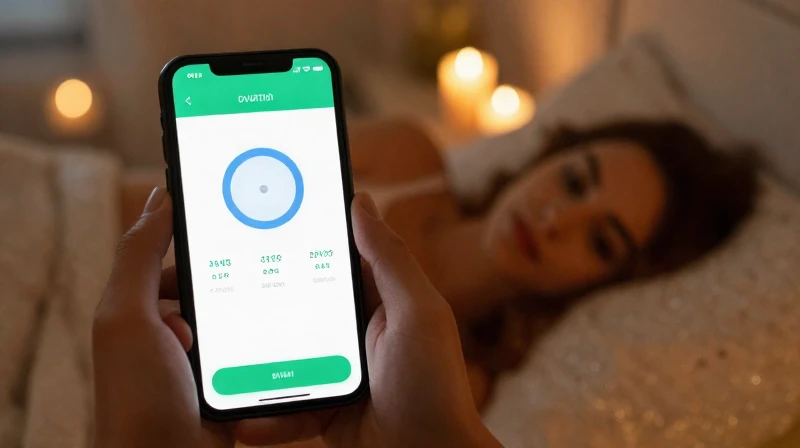
Many people try to determine if they are ovulating by using period tracking apps or standard calendars. While these tools can be helpful for identifying patterns, they are often "algorithmic guesses" rather than precise biological measurements [2].
Your cycle is not a mechanical clock. Factors such as stress, illness, changes in diet, or intense exercise can cause your body to shift the day of ovulation by several days, sometimes even weeks. Because these apps often rely on the average length of your previous cycles, they may tell you that you are in a "safe" window when your body has actually moved ahead of schedule.
Physical Signs of Ovulation
If you are trying to gauge your cycle position without a medical test, you may notice physical changes. While these can vary, common signs of approaching ovulation include:
- Changes in Vaginal Discharge: You may notice increased discharge that is clear, slippery, and stretchy (similar to raw egg whites).
- Basal Body Temperature: A slight increase in resting body temperature can indicate that ovulation has occurred.
- Physical Tenderness: Some people experience chest tenderness, mild bloating, or a slight "tugging" sensation in the lower abdomen during the fertile window [1].
Comparing Emergency Options: Plan B vs. The Copper IUD
If you are concerned that you have already ovulated, it is important to know that there are more effective options than the standard levonorgestrel pill. While Plan B is a convenient over-the-counter option, it is not the most effective form of emergency contraception available.
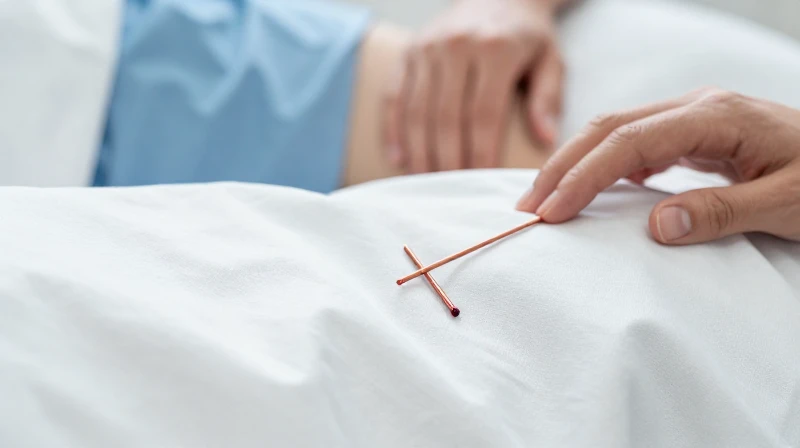
The copper intrauterine device (IUD) is widely considered the "gold standard" for emergency pregnancy prevention. Because it works by preventing both the egg from being fertilized and the embryo from implanting, it does not rely on delaying ovulation.
| Feature | Plan B (Levonorgestrel) | Copper IUD |
|---|---|---|
| Primary Mechanism | Delays ovulation | Prevents fertilization and implantation |
| Effectiveness | High (if taken early); lower if ovulated | Over 99% effective |
| Time Window | Up to 72 hours (3 days) | Up to 5 days after sex or ovulation |
| Administration | Oral pill (Over-the-counter) | Inserted by a healthcare provider |
What to Expect After Taking Plan B
Taking the morning-after pill causes a significant hormonal shift. Because you are introducing a large dose of progesterone into your system, your body may react in various ways over the following days and weeks.
Irregular Bleeding
It is very common to experience spotting, heavier-than-usual bleeding, or even a "withdrawal bleed" shortly after taking the pill. These changes can sometimes make it difficult to tell if your period is coming or if the pill is simply causing side effects.
Cycle Disruption
Plan B can cause your next period to be early, late, or heavier than normal. Because of these fluctuations, experts recommend waiting at least three full menstrual cycles before resuming regular cycle tracking [1, 2].
Pregnancy Testing
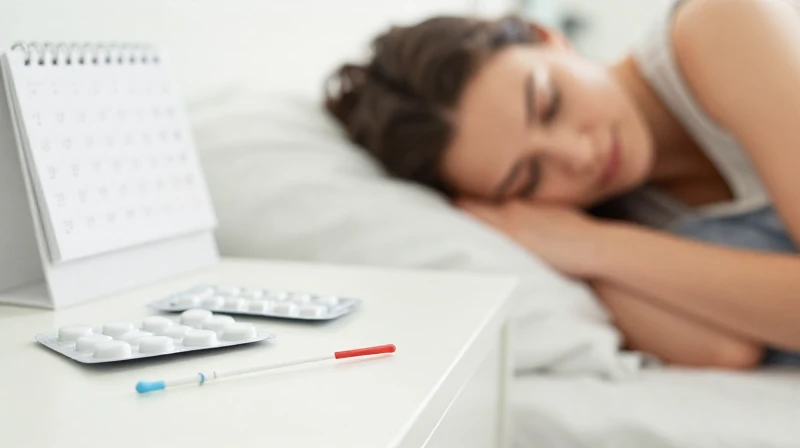
If you are anxious about whether the pill worked, do not take a pregnancy test immediately. Pregnancy tests look for human chorionic gonadotropin (hCG), a hormone that does not appear in your system right away. You should wait at least three weeks after taking Plan B before taking a pregnancy test to ensure the results are accurate [1].
Summary: Knowing Your Next Steps
The most important takeaway is that while Plan B is less effective once ovulation has occurred, it is still a valuable tool for emergency contraception. If you are in a situation where you had unprotected sex and are unsure of your cycle status, taking the pill is the best course of action to provide the highest possible chance of prevention.
If you find yourself frequently worried about the "ovulation window" or are seeking a more reliable form of emergency contraception, it may be worth speaking with a healthcare provider. They can discuss long-term options—like the copper IUD, hormonal implants, or daily birth control—that provide much higher levels of protection and peace of mind than emergency methods ever can.
This content is for educational purposes and does not constitute medical advice. Always consult with a healthcare professional or pharmacist for medical concerns or before starting new medications.
Sources
- Why Plan B Doesn’t Work During Ovulation and Alternatives — healthline.com
- I ovulated the day I took Plan B and still got my period. Why do some say it is not effective? : r/birthcontrol — reddit.com
Frequently Asked Questions
How do I know if I've already ovulated?
You may notice physical signs such as increased vaginal discharge that is clear, slippery, and stretchy. Other indicators include a slight increase in resting body temperature and physical sensations like chest tenderness or mild bloating.
How do you make sure you don't get pregnant while ovulating?
The copper IUD is considered the "gold standard" for emergency prevention because it works by preventing fertilization and implantation regardless of ovulation status. For ongoing protection, a healthcare provider can discuss long-term options like hormonal implants or daily birth control.
Does the pill still work when ovulating?
The success rate of the morning-after pill drops significantly if you are already ovulating because its primary mechanism is to delay the release of an egg. If ovulation has already occurred, the pill has no primary biological pathway to prevent pregnancy.
Related Articles