Introduction
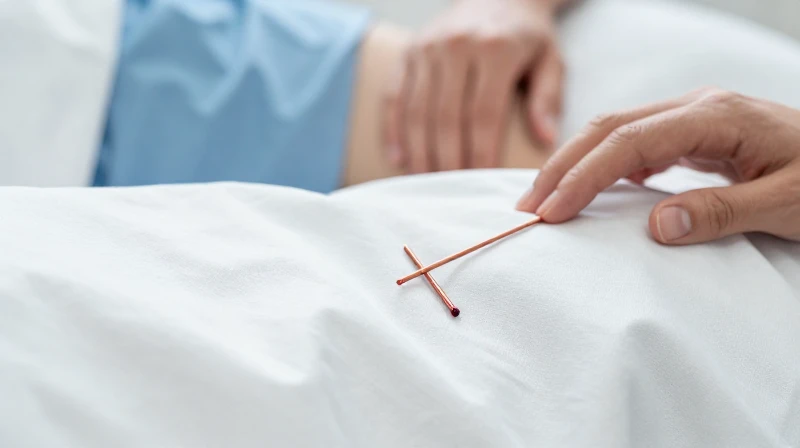
Taking out an IUD (intrauterine device) is generally a quick, straightforward procedure performed by a healthcare provider. In most cases, the provider gently pulls on the IUD strings, which causes the device’s arms to fold up and the IUD to slip out of the uterus [1]. While the process is often described as simple, it is important to understand the variations in experience, the safety considerations regarding self-removal, and what happens to your body once the device is gone.
What to Expect During a Clinical Removal
When you visit a clinic or a gynecologist to have your IUD removed, the procedure usually takes only a few minutes. Because the IUD is designed to stay in place, the provider will use a steady, controlled motion to guide it out.
- The Sensation: Most people experience some mild cramping for about a minute as the device is removed [1]. Some may feel a slight pressure or a "tugging" sensation, but for many, the discomfort is brief and manageable.
- The Mechanism: As the provider pulls the strings, the copper or hormonal components of the IUD are guided out, and the "arms" of the device fold inward [1].
- Complex Cases: While most removals are standard, there are rare instances where an IUD may be difficult to remove. In these specific cases, a healthcare provider might need to use specialized instruments to facilitate the removal, and in extremely rare circumstances, surgery may be required [1].
IUD Expiration Dates
It is important to keep track of how long your specific device is meant to stay in your body. Each type of IUD has a different lifespan, and it must be replaced once it reaches its expiration date to remain effective.
| IUD Type | Typical Duration |
|---|---|
| Paragard | 12 years |
| Mirena or Liletta | 8 years |
| Kyleena | 5 years |
| Skyla or Miudella | 3 years |
The Discussion Around Self-Removal
Some healthcare providers may encourage patients to remove their own IUDs if they feel comfortable doing so, offering a sense of autonomy over their own fertility [2]. However, this is a topic of active debate within the medical community.
If you are considering removing your own IUD, it is helpful to understand the spectrum of reported experiences and the associated risks.
Reported Experiences
People who have attempted self-removal report widely varying results [2]:- Positive Experiences: Some users describe the process as empowering and relatively easy to accomplish.
- Difficulties: Others report "awful cramps," difficulty locating or grasping the strings, or feeling dizzy and "chicken[ing] out" during the process [2].
Risks and Safety Concerns
Medical professionals warn that self-removal carries specific risks that a clinical setting is designed to mitigate [2]:- Syncope and Shock: Some individuals may experience syncope (fainting) or "cervical shock" (a physical reaction to the manipulation of the cervix).
- Incomplete Removal: Pain or physical limitations may prevent the device from being fully removed, which can lead to complications.
- Infection: Using non-sterile hands or fingers can create microtears in the vaginal lining or cervix, increasing the risk of infection [2].
For those who choose to proceed with self-removal despite these risks, some users suggest specific hygiene protocols, such as washing hands for at least five minutes with soap, using sterile gloves, and lying on a hard, non-porous surface (like a metal or glass table) to ensure stability and cleanliness [2].
What Happens After Removal?
Once the IUD is out, most people feel “completely normal” almost immediately [1]. However, there are a few physiological changes to be aware of in the days and weeks following the procedure.
Bleeding and Cramping
It is common to experience light bleeding or slight cramping during and immediately after the removal [1]. These symptoms typically subside quickly.Hormones and Menstruation
If you are using a hormonal IUD (such as Mirena, Liletta, Kyleena, Skyla, or Miudella), your body will begin to adjust to the absence of the hormones.- Side Effects: Hormonal side effects associated with the IUD typically subside once the device is removed.
- Period Return: If you do not start a new form of hormonal birth control, your period should eventually return to its pre-IUD state [1].
Fertility and Pregnancy
One of the most common questions is how soon someone can get pregnant. Fertility returns to normal levels immediately after the IUD is removed [1]. This means that if you are not using another form of contraception, it is possible to become pregnant right away.Logistics: Cost, Location, and Missing Strings
Where can I get my IUD removed? You do not have to go back to the original clinic where the device was inserted. You can have an IUD removed by any qualified healthcare provider, including:
- Family planning clinics
- Private gynecologist offices
- Primary care physicians who are qualified to manage IUDs
What if my IUD string is missing? If you cannot feel your strings, attempting self-removal is significantly more difficult and risky. In this scenario, it is highly recommended to see a healthcare provider, as they have the tools and training to locate and remove the device safely.
Addressing Common Concerns
- Weight loss after IUD removal: While some people notice weight changes after stopping hormonal contraception, IUDs are not a primary cause of weight gain. Changes in weight are often related to broader lifestyle factors or significant hormonal shifts as your body recalibrates.
- First period after IUD removal: Your first period after removal may be slightly different in flow or timing as your hormones stabilize. It is normal for it to take a cycle or two to return to your "normal" baseline.
This information is for educational purposes and does not constitute medical advice. Consult with a healthcare professional for any medical concerns or before making decisions about your reproductive health.
Sources
- How does IUD removal work? — plannedparenthood.org
- My doctor encouraged me to remove my own IUD if I feel comfortable doing so. : r/birthcontrol — reddit.com
Related Articles