Introduction
If you are looking for the most reliable way to prevent pregnancy while also protecting against sexually transmitted infections (STIs), the most effective approach is “doubling up”—using two different methods of contraception simultaneously. By combining a hormonal method, such as the birth control pill, with a physical barrier like a condom, you create a “belt and suspenders” safety net. This combination is considered even more effective at preventing pregnancy than using either method alone [1].
While many people worry that using two methods might be unnecessary or complicated, it is a common and highly recommended practice for those who want to maximize their protection. This approach addresses two different biological goals: the pill works internally to prevent ovulation, while the condom acts as a physical block to prevent sperm from entering the body. When both are used correctly, the risk of pregnancy becomes statistically minimal, offering a high level of peace of mind for everyone involved.
The Mechanics of Doubling Up
To understand why combining these methods works so well, it helps to look at how each one functions on its own. Because they target different parts of the reproductive process, they provide overlapping layers of security.
How the Birth Control Pill Works
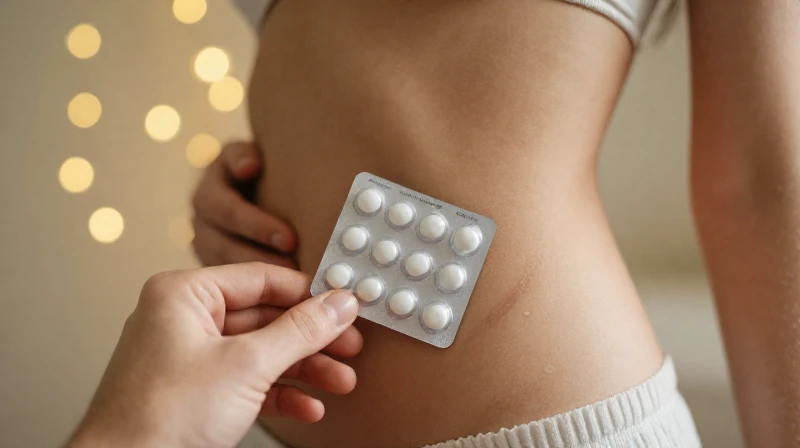
The primary mechanism of the birth control pill is to prevent ovulation. By introducing specific hormones into the body, the pill signals the ovaries not to release an egg during the menstrual cycle. If there is no egg, fertilization cannot occur. However, the pill is not an instant shield; it typically takes about seven days of consistent use before it is fully effective at stopping ovulation [1].Because the pill actively alters your internal hormonal cycle to stop ovulation, it is important to note that you cannot use fertility awareness methods (tracking your period or body temperature) while on hormonal birth control [1].
How Condoms Work
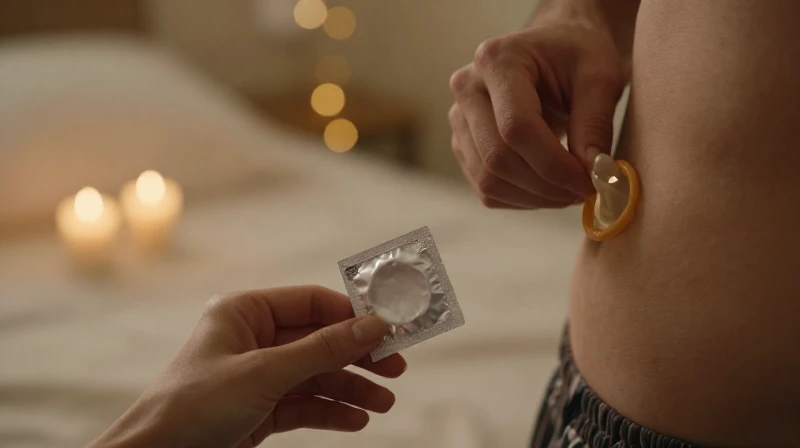
A condom works through a completely different mechanism: it is a physical barrier. It prevents sperm from entering the vagina, uterus, and fallopian tubes. Unlike the pill, which manages your body's internal chemistry, a condom provides an external block. This is the only method that also provides significant protection against many STIs [2].The Synergy of Combined Use
When you use both, you are essentially addressing the two main ways pregnancy can happen. If the pill happens to fail (due to a missed dose or an interaction), the condom acts as a backup. If the condom happens is slightly displaced or fails to form a perfect seal, the pill’s suppression of ovulation provides an internal safety net. This synergy is why the effectiveness rates for "doubling up" are so high [1].Effectiveness: Perfect Use vs. Typical Use
In sexual health, there is a major distinction between “perfect use” (using a method exactly as directed every single time) and “typical use” (how most people use a method in real-world scenarios). Understanding these numbers helps ground your expectations in reality.
The following table illustrates how “doubling up” compares to using methods individually:
| Contraceptive Method | Perfect Use Effectiveness | Typical Use Effectiveness |
|---|
The difference between perfect and typical use often comes down to human factors. Typical use percentages drop because people might miss a pill, experience vomiting or diarrhea that prevents medication absorption, or take other medications that interfere with the hormones [1]. By adding a condom to the routine, you significantly narrow the gap between “perfect” and “typical” safety.
The Role of STI Protection

One of the most important reasons to use a condom in conjunction with birth control is the protection it provides against sexually transmitted infections (STIs). While hormonal birth control (the pill, the shot, the patch, or the ring) is highly effective at preventing pregnancy, it offers zero protection against infections like chlamydia, gonorrhea, or HIV.
Using a condom provides the dual benefit of:
- Pregnancy Prevention: Working alongside your hormonal method to ensure no pregnancy occurs.
- Disease Prevention: Acting as a barrier to reduce the risk of transmitting or contracting STIs [2].
For many, this is the primary reason to “double up.” It allows for a comprehensive approach to sexual health that covers both reproductive goals and physical health.
Practical Guidance for Maximum Safety
To ensure your chosen methods are as effective as possible, there are a few practical “golden rules” to keep in mind. These address common anxieties about whether a method will fail during the heat of the moment.
Finishing Inside
A common question is whether it is safe for a partner to finish inside if both a condom and birth control are being used. Generally, if a condom is being used correctly in conjunction with another birth control method, it is considered safe for a partner to finish inside [1].However, the safety of this depends entirely on the integrity of the condom. Because the condom is the primary barrier, it must remain in place and intact.
The Importance of Proper Removal
One of the most common ways condoms fail is during the moment of removal. To ensure the condom remains effective:- Maintain Erection: The condom is designed to stay in place as long as the penis remains erect.
- Remove Promptly: The condom should be removed before the penis becomes flaccid (soft). If the penis loses its erection while still inside, the condom can slip off, potentially spilling semen inside.
- Hold the Base: When withdrawing, hold the rim of the condom against the base of the penis to ensure it doesn't slide off.
Managing Your Hormonal Method
To keep your hormonal birth control at its "perfect use" effectiveness, try to minimize the factors that lead to "typical use" failures:- Consistency: Take your pill at the same time every day to maintain steady hormone levels.
- Monitor Interactions: Be aware of other medications (like certain antibiotics or anti-nausea drugs) that might interfere with your birth control.
- Stay Healthy: If you experience severe vomiting or diarrhea, speak with a healthcare provider about how it might affect your contraception.
Common Questions and Clarifications
Can I get pregnant even if I use the pill, a condom, and pull out?
While the probability is extremely low, nothing except abstinence is 100% effective [2]. Pregnancy can occur if a condom breaks, slips, or if a birth control pill is missed or interacts with another substance. Because no method is guaranteed, using high-efficacy methods like "doubling up" is the best way to minimize those risks.When can I stop using condoms if I'm on the pill?
This is a personal decision based on your goals. If your primary goal is only to prevent pregnancy and you are not concerned about STIs, some people choose to rely solely on their hormonal method once it is established (usually after 7 days of consistent use). However, many people choose to continue using condoms for STI protection regardless of their birth control status.What other methods are highly effective?
If you are looking for long-acting reversible contraception (LARC) to use alongside condoms for STI protection, these methods have very high effectiveness rates:- Implant: 99% effective [2].
- IUD: 99% effective [2].
- The Shot: 96% effective [2].
- The Patch or Ring: 93% effective [2].
Synthesis and Next Steps
Using a condom and birth control together is one of the most robust ways to manage your sexual health. It provides a multi-layered defense: the birth control pill manages your internal cycle to prevent ovulation, while the condom provides a physical barrier that also guards against infections.
By “doubling up,” you are moving toward the highest possible level of protection available to non-abstinent individuals. To maximize this safety, focus on the “how” of your routine: take your pills consistently, check the expiration dates on your condoms, and ensure proper removal at the end of intercourse.
If you have concerns about the side effects of your hormonal birth control, or if you want to discuss which specific method is best for your lifestyle, a consultation with a healthcare provider or a pharmacist is the best next step. They can help you tailor these methods to your body’s specific needs.
This content is for educational purposes only and does not constitute medical advice.
Sources
- If using both condoms and birth control, can I let my sexual partner finish inside? : r/birthcontrol — reddit.com
- If you use both a condom and birth control, are you 100% protected from getting pregnant? — plannedparenthood.org
Related Articles