Introduction
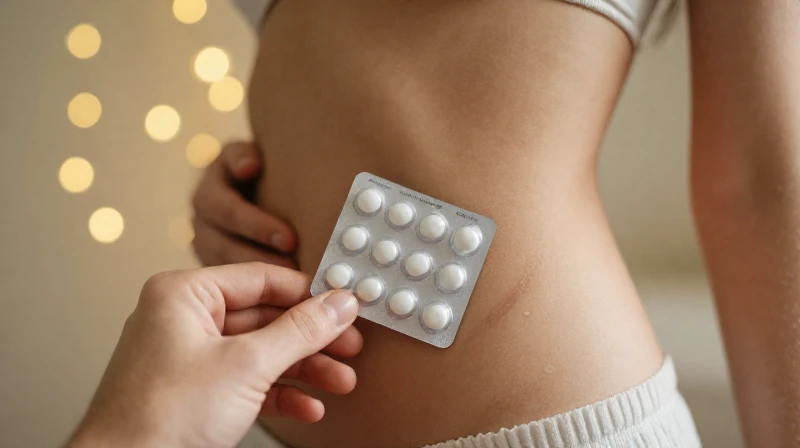
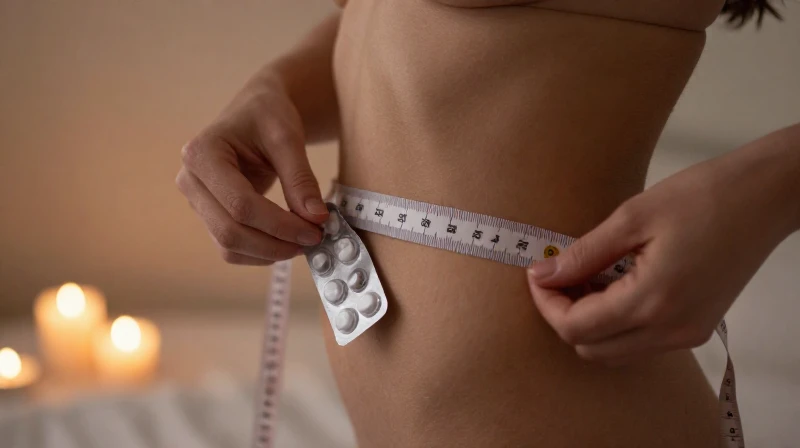
The short answer is that no birth control method is scientifically proven or designed to cause weight loss. While many people search for a "weight loss pill" in the form of contraception, birth control works by altering hormone levels to prevent pregnancy, not by targeting fat metabolism or caloric balance. However, the relationship between hormones and body weight is nuanced; while most methods do not cause significant weight change, certain methods—specifically the contraceptive shot—have been linked to weight gain, and many people experience temporary fluctuations in water weight.
If you are looking for a contraceptive that will help you lose body fat, you likely won't find one in the current medical toolkit. But if you are concerned about how your chosen method might affect your body composition, understanding the specific mechanisms of these hormones can help you make an informed choice with your healthcare provider.
How Hormones Interact with Weight and Metabolism
To understand why weight changes occur (or don't occur), it helps to look at how contraceptives interact with the body's internal systems. Most hormonal contraceptives contain either progestin, estrogen, or both. These hormones influence several processes related to weight:
- Fluid Retention: Estrogen-containing methods (such as the pill, ring, and patch) can sometimes cause the body to retain more water. This often manifests as "bloating," particularly during the first few months of use. This is usually a temporary shift in water weight rather than a permanent increase in body fat [2].
- Metabolic Rate: Some research has explored whether progestin-only contraceptives (POCs) affect the resting metabolic rate (RMR). One study found a significant increase in RMR during the first three weeks of using certain progestin-only methods, associated with non-shivering thermogenesis [1].
- Appetite and Cues: There is emerging research into how specific injectables affect the brain. Studies using MRIs have shown significant activation in brain regions associated with food cues after eight weeks of using Depo-Provera (DMPA), suggesting the medication might influence food motivation centers [1].
- Diuretic Effects: Conversely, progestin can act as a natural diuretic. In some cases, this may result in a temporary loss of water weight, which some users might interpret as weight loss, though it is not a reduction in body fat [2].
Weight Gain vs. Weight Loss: What the Science Says
While the internet is often filled with anecdotal reports of massive weight gain on the pill, clinical data offers a more measured picture. For the majority of people, the weight change is minimal.
Progestin-Only Contraceptives (POCs)
A review of 22 studies on various progestin-only methods—including injectables, implants, intrauterine contraceptives (IUCs), and pills—found very limited evidence of significant weight change. In most cases, the mean weight gain at 6 or 12 months was less than 2 kg (approximately 4.4 lbs) [1]. However, research does indicate that the DMPA shot may lead to a greater increase in body fat percentage and a decrease in lean body mass compared to those not using hormonal methods [1].
The Depo-Provera Exception
The birth control shot (Depo-Provera) is the most notable exception to the "no weight change" rule. Clinical studies have consistently shown that it can cause weight gain. On average, users may experience a weight gain of approximately 4% after one year, 6% after two years, and 10% after four years [2]. Because of this, healthcare providers often counsel patients on these potential changes before they begin the injection.
Modern vs. Older Formulations
It is also helpful to know that many historical reports of weight gain were linked to older versions of the birth control pill. These older formulations contained significantly higher doses of hormones than the modern versions used today [2]. Modern methods, such as the birth control ring, the patch, the implant, and both hormonal and non-hormonal (copper) IUDs, are generally not associated with significant weight gain [2].
Common Questions and Specific Scenarios

Because weight and hormones are so closely linked, many people have specific questions about how these medications interact with their unique bodies or health conditions.
Will I lose weight on Yaz?
Yaz is a combined oral contraceptive that contains both estrogen and progestin. Because it contains estrogen, some users may experience minor water retention or bloating during the first few months of use, which could cause a slight increase on the scale. There is no evidence that Yaz, or any other estrogen-containing pill, causes the loss of body fat.
Is it normal to gain 20 pounds on birth control?
While clinical studies often show weight changes of less than 2 kg (4.4 lbs), individual experiences can vary widely. Weight change is often attributed to a combination of factors, including increased fluid retention, changes in muscle mass, or fat deposition [1]. If you notice a significant weight gain—such as 20 pounds—it is important to speak with a healthcare provider. They can help determine if the change is a common side effect of your specific medication or if it is related to another underlying health issue.
Can birth control make me lose weight if I have PCOS?
Polycystic Ovary Syndrome (PCOS) is often associated with insulin resistance and weight gain. While some people with PCOS seek birth control as a way to manage their weight, birth control itself is not a weight-loss medication. However, certain hormonal methods can help manage PCOS symptoms, which may indirectly help with metabolic health. If weight loss is a primary goal for someone with PCOS, a doctor will typically recommend a combination of lifestyle changes, metabolic health management, and potentially other medications alongside contraception.
How do weight loss medications (GLP-1s) affect birth control?
If you are using weight loss medications like GLP-1 agonists (e.g., Ozempic, Wegovy), you should be aware of how they interact with oral contraceptives. These medications can slow down the emptying of the stomach. Because the birth control pill relies on being absorbed into the bloodstream at the same time every day, a slower digestive process may prevent the pill from being absorbed consistently [2]. If you are on a GLP-1 medication, talk to your doctor about whether you should switch to a long-acting method, like an implant, IUD, or the Depo-Provera shot.
Comparing Contraceptive Methods and Weight Impact
To help you navigate your options, the following table summarizes how different methods generally relate to weight changes based on current evidence:
| Method Category | Common Weight Impact | Mechanism/Notes |
|---|---|---|
| Combined Oral Pill | Minimal / Temporary Bloating | Estrogen may cause temporary water retention in the first few months [2]. |
| Progestin-Only Pill | Minimal | Studies show mean weight gain often less than 2 kg (4.4 lbs) [1]. |
| The Shot (DMPA) | Potential Weight Gain | Average gain of 4% after 1 year, up to 10% after 4 years [2]. |
| Implant | Minimal | Not shown to be connected to significant weight gain [2]. |
| The Ring / Patch | Minimal / Temporary Bloating | Similar to the pill; may cause minor water retention [2]. |
| Copper IUD | None | Non-hormonal; no hormonal mechanism to affect weight [2]. |
| Hormonal IUD | Minimal | Not shown to be connected to significant weight gain [2]. |
Summary and Next Steps
The science is clear: birth control is not a weight-loss tool. While most methods—including the pill, IUDs, implants, the ring, and the patch—have a negligible effect on body weight, the Depo-Provera shot is a documented exception that can lead to gradual weight gain. Furthermore, many people experience "bloating" caused by water retention, which can fluctuate and is not a permanent change in body fat.
If you are concerned about your weight while on birth control, here is how to proceed:
- Track your changes: Note when weight changes occur (e.g., the first few months vs. long-term use) to help your doctor distinguish between temporary water retention and actual weight gain.
- Discuss your concerns: If weight gain is a primary reason you are hesitant to start a method, tell your healthcare provider. They can help you choose a method with the lowest risk of weight gain, such as a non-hormonal copper IUD or a progestin-only method.
- Monitor interactions: If you are using weight loss medications like GLP-1s, consult your doctor to ensure your chosen birth control method is being absorbed correctly.
- Identify "Red Flags": If you experience rapid, significant weight gain or feel your metabolism has changed drastically, request a full health checkup to rule out other underlying causes.
This article provides medical education and is not a substitute for professional medical advice, diagnosis, or treatment. Always seek the advice of your physician or another qualified health provider with any questions you may have regarding a medical condition or contraceptive choice.
Sources
- Progestin‐only contraceptives: effects on weight — pmc.ncbi.nlm.nih.gov
- Birth Control and Weight — nurx.com
Frequently Asked Questions
What is the best pill to take for losing weight?
No birth control method is scientifically proven or designed to cause weight loss. The article states that a contraceptive intended to help you lose body fat is not currently available in the medical toolkit.
Will I lose weight on Yaz?
There is no evidence that Yaz, or any other estrogen-containing pill, causes the loss of body fat. Some users may actually experience minor water retention or bloating during the first few months, which could lead to a slight increase on the scale.
Is it normal to gain 20 pounds on birth control?
While clinical studies typically show weight changes of less than 4.4 lbs, individual experiences can vary widely. If you notice a significant gain of 20 pounds, the article recommends speaking with a healthcare provider to determine if it is a specific side effect or related to an underlying health issue.
Related Articles